Soup traditions: a pot kept warm all day
In many old kitchens, a pot stayed on a low flame from breakfast until the last lamp went out. Anyone who came in could have a bowl.

In a small house in the Atlas mountains, where I stayed during one autumn visit a few years ago, my host kept a battered iron pot on the back of the wood stove from the first morning fire until bedtime. The pot held a thin chickpea soup with cumin, tomato, a bone, and a handful of greens picked from the slope behind the house. The fire never quite went out. Anyone who passed through the kitchen, a cousin coming in from the field, a child back from school, a neighbour stopping to leave a message, was offered a bowl. By evening the pot had been filled and reduced four or five times, and each ladling brought up a slightly different soup than the one before.
This was not unusual. It is how most old farmhouses around the world managed their food. The pot on the back of the stove was, in a real sense, the household’s public face. To know whether a kitchen was welcoming, you only had to look at whether something was simmering.
The pot that never empties
The constant pot is one of the oldest cooking habits humans have. In a household built around an open fire or a wood stove, the fire was on anyway. Keeping a pot on its back, where the heat was lower, cost nothing extra. The pot held whatever was available. Leftovers from yesterday went in. A handful of new vegetables went in. A bone, a few beans, a sprig of an herb from the windowsill. The pot was both a meal and a savings account, an ongoing edible record of the week.
Different cultures have different names for the resulting soup. The Italian minestrone, evolving over a week from a thinner start to a thicker end. The French pot au feu, with its constant additions of root vegetables and small cuts of meat. The Polish bigos, technically a sauerkraut and meat dish but practiced with the same logic of long warming. The Japanese oden, simmering all winter at street stalls with skewers added throughout the day. The Mexican mole pot, kept warm for the duration of a multi-day celebration.
What they share is not a recipe. It is a philosophy. The pot is hospitality made edible. It is also, in practical terms, the warmest, kindest thing the household can offer at any hour to anyone who needs it.
What makes a good keeping soup
Not every soup is suited to spending the day on a low flame. Delicate consomme will not benefit. A cream-based soup may separate. A soup with thin green vegetables will go grey within an hour. The soups that keep well share certain characteristics. They tend to be built on a sturdy base (beans, lentils, root vegetables, grains) that holds up to repeated reheating. They use simple aromatics (onion, garlic, herbs) that mellow rather than deteriorate. They tolerate slow evaporation; if the level drops, you simply add water. They taste better, not worse, after the third reheating.
The Italian minestrone is a particularly elegant example. Started as a vegetable soup with some beans, it absorbs the addition of pasta or stale bread the next day, becomes a different soup again on day three when more vegetables are added, and finishes its life, in many households, as a thick pancotto or ribollita with bread cooked into the body of it. One soup, several meals, a different bowl each time.
The Moroccan harira, served at the breaking of fasts during Ramadan, is another. A tomato, chickpea, lentil, and herb soup with a slightly thickened body. It can be made in a large pot in the morning, kept warm all day, and ladled out in the evening to whoever arrives. Each bowl carries the same recipe, but the soup itself deepens through the hours.
“A pot that is always on is not laziness. It is welcome.” (a grandmother in Telouet, in the southern Atlas)
The hospitality dimension
What the keeping pot does, in a household, is something more than feeding people. It removes the need to ask. A traveller stopping by does not have to wait for someone to start cooking. A child coming home does not have to negotiate for a meal. A neighbour bringing news can sit down for ten minutes and be warmed. The pot is a permanent yes.
This is part of why, in many cultures, the constant pot is closely associated with the most generous and most respected matriarchs. It is a kind of unspoken civic role. The pot is open. Anyone who arrives, eats. The hospitality is built into the architecture of the kitchen.
You can see traces of this even in cultures that have moved largely away from open hearths. The Greek yiayia who heats a bowl of fasolada for the grandchildren who arrive without warning. The Indian dadi who always has dal on the stove and can produce a hot meal in ten minutes. The Italian nonna whose minestrone is always already on. These are the small persistent forms of a much older practice, kept alive in one woman’s kitchen at a time.
Different bowls from different climates
The chicken soup of Eastern Europe
The Jewish chicken soup, the Polish rosol, the Romanian ciorba de pui: all versions of a long-simmered chicken broth with carrots, onions, parsley root, and sometimes a fine noodle added at the end. Eaten as a first course, as a remedy for almost anything, as the soup that introduces the Sabbath. The keeping pot here is more often a once-a-week ritual than a daily one, but the same principle applies. The soup is made early, the soup is shared often, the soup is improved by reheating.
The miso of Japanese mornings
A bowl of miso soup is not exactly a keeping soup; miso is best when freshly mixed in, and it dulls if simmered too long. But the dashi (the kelp and dried fish broth that forms the base of miso) can be made in advance and kept gentle on the stove. The miso is whisked in at the last minute, the vegetables and tofu added briefly. A version of the keeping pot, with a small ritual finish.
The thick lentil soups of South Asia
Sambar, rasam, dal: each is a daily pot in many Indian households, simmered for hours, finished with a tempering of mustard seeds, curry leaves, and dried chilies in hot ghee. The soup is ladled over rice, drunk on its own, or sopped up with bread. A daily, almost compulsory, presence in the kitchen.
Where the keeping pot fits today
Most households no longer have a wood stove and a fire that burns all day. But the spirit of the keeping pot can still find a place. A weekend pot of slow-cooked bean and vegetable soup, made on Saturday and kept gently warm or reheated each evening through the week, produces a meal that is ready in ten minutes any night, deepens in flavour as it ages, and forms the welcome at the centre of a household.
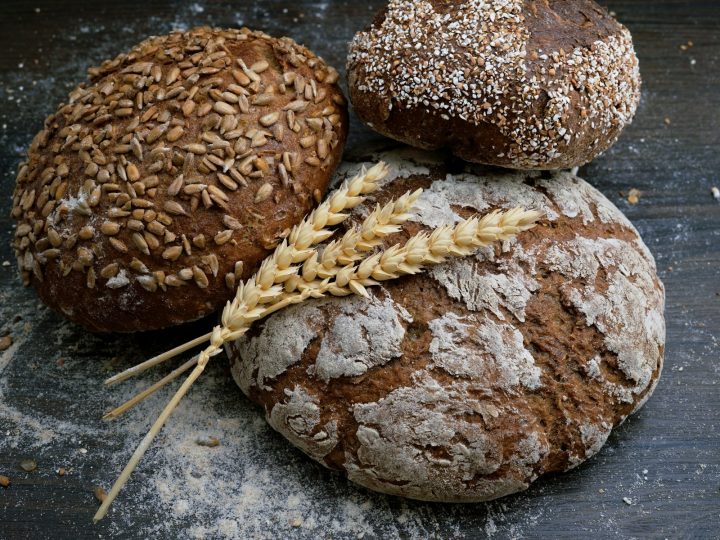
The practice fits naturally with the wider rhythm of traditional food practices, with the simple bread baked on Sunday, the small jars from the pickle shelf, the curd on the side. A bowl of soup, a piece of bread, a spoonful of pickle, a small drink: this is, in many cultures, a complete meal, and one that can be set on a table for any number of people in five minutes.
It is also a practice that fits well with comfort and relaxation rituals in a household, particularly in the cold months. The smell of a soup gently warming for the second or third time is part of what makes a house feel inhabited. You walk in. You smell it. Something is on. Someone, in some sense, was expecting you.
This is a cultural account, of course, not a nutritional one. The contents of the soup matter to your own preferences, your own dietary considerations, and (for some people) your own conversations with someone qualified. The practice itself is gentle, ancient, and forgiving. Most of what it asks is that a pot be allowed to sit, that a flame be kept low, that the door be kept open.
The pot in the Atlas house was emptied that night, scraped, and started again the next morning. It had a quiet authority I am still trying to learn from.