Slow cooking: the quiet pot on a low flame
Some dishes can be made in twenty minutes. Others require that you be home for the afternoon. The difference is not only in flavour.
There is a particular sound a heavy pot makes when it has been on the back of the stove for three hours. It is not quite a simmer. It is more like a long exhale that happens every few seconds, a small lift of the lid as steam pushes upward, then a settling back down. Once you have heard it in someone’s kitchen, you recognise it everywhere. It is the sound of someone deciding to be home.
Slow cooking is not a technique so much as an arrangement with the day. You set a pot, you turn the flame low, and you accept that the next several hours belong, in part, to the kitchen. The work itself is almost nothing. The agreement is what matters.
Why families ever cooked this way
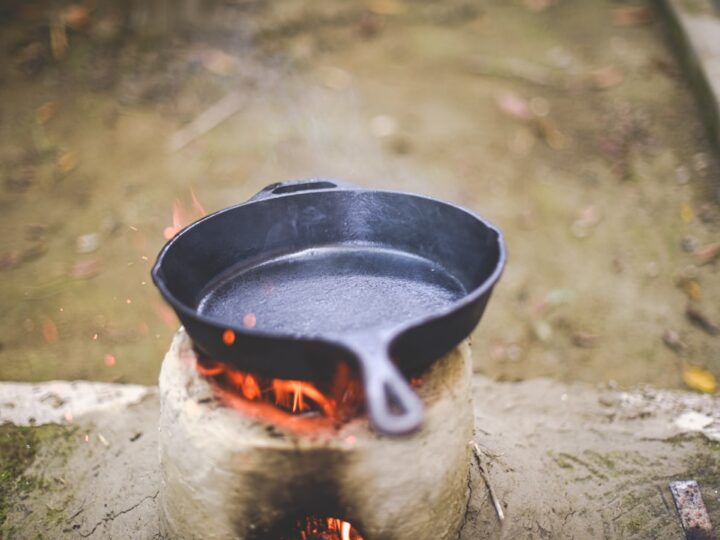
For most of culinary history, low and slow was not a choice. It was the kindest thing you could do for the cheaper cuts of meat, the older root vegetables, the tougher beans. A shank, a shoulder, a chickpea that had wintered in a sack: none of them would yield to twenty minutes of heat. They needed time, and gentle time at that. The fire was kept low, sometimes barely glowing, sometimes banked under ash, and the food was allowed to soften on its own schedule.
This was efficient in ways that suit a household. One pot, one fire, one round of cleaning. The cook was free for other work: laundry, mending, the garden, the children. The food, meanwhile, did the kind of slow chemistry that turns gristle into silk and dried beans into something that tastes deeply of itself.
The Italian ragu, the French daube, the Moroccan tagine, the Indian dum biryani sealed with dough around the rim, the Jewish cholent left to warm overnight: each of these is the same idea, dressed in a different culture’s clothes. The pot is heavy. The flame is small. The afternoon is long.
Heavy bottoms, gentle heat
What makes slow cooking work, mechanically, is the relationship between a heavy vessel and a low fire. A thin pan over a high flame will burn the food on the bottom and leave the top untouched. A thick clay or cast iron pot over a small flame distributes the heat evenly through its walls, so the food cooks from the sides as much as from below. The temperature inside the pot stays modest, often barely simmering, and the slow movement of the liquid carries flavour from one ingredient to another without anything ever catching.
This is why grandmothers across most cuisines guard their oldest pots. The one with the dent from being dropped in 1962. The one that has cooked so many tomato sauces that it has its own seasoning. The one that, as my aunt used to say, knows the recipe better than she does.
“A good stew is finished when it tells you. Not when the recipe says.” (a butcher in Bologna, on being asked how long to cook a brasato)
The shape of an afternoon
What slow cooking does to a day is the part that recipes never quite describe. You start in the late morning, maybe with onions, maybe with a little oil. You add the harder ingredients first: meat, roots, dried pulses. You add a liquid, a bay leaf, a few peppercorns. You bring it to a slow bubble, then you reduce the heat to whatever your stove allows that still keeps a tremor on the surface. Then you cover, partially, and you walk away.
The next four hours have a different texture than the first four. You are not, exactly, doing nothing. You are around. You stir occasionally. You add water if the level drops. You taste once, then again later. In between you can sit, read, work, talk to the person who came in from the rain. The pot is your anchor. It pulls you back to the kitchen every so often, the way a sleeping child in another room does.
This is why the practice fits so naturally with what people are now calling slow living, although the words were not needed when most people lived this way. It is a small but real arrangement between a household and a meal, and it is much older than the language we use to describe it.
Examples from different kitchens
The Tuscan ribollita
Twice cooked, twice patient. A vegetable and bean soup simmered the first day, then thickened with stale bread on the second and warmed again until it is almost a porridge. Nothing fancy. Just olive oil, cavolo nero, white beans, time. A bowl of it tastes like the climate it came from.
The Moroccan tagine
A conical clay vessel that traps steam, returns it to the food, and asks nothing more of the cook than a small flame and a long afternoon. Lamb with prunes, chicken with preserved lemon, vegetables with ras el hanout. Samira has written elsewhere about these traditions with more authority than I can; what I can say is that the smell of a tagine opening at the end of cooking is one of the great moments of a kitchen.
The Indian dum cooking
The pot is sealed with a strip of wheat dough around the lid, sometimes with coals placed on top of the lid as well as below. The food cooks in its own steam. Biryanis prepared this way carry layered aromas that quick cooking cannot reach.
Where slow cooking fits in a contemporary day
You do not have to be home for six hours to cook this way. A pot left on a very low flame, or in a low oven, can manage itself for the length of a working morning. Even one slow meal a week reshapes the week a little. The pot becomes a kind of timer that pulls you out of digital time and into kitchen time, the way the rhythms of daily wellness routines sometimes do without announcing themselves.
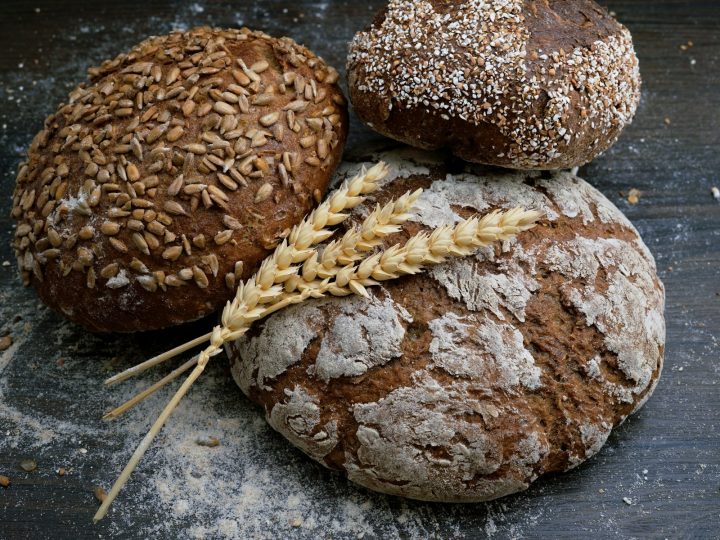
It also pairs naturally with other quiet practices. A loaf of slow bread rising while the stew simmers. A pot of herbal tea on the counter for whenever someone comes through the kitchen. Once you tune one part of the day to a slower clock, the rest tends to follow.
The dish that comes out at the end is, of course, the point. But anyone who has spent an afternoon with a pot on a low flame knows that the dish is only part of the gift. The afternoon itself is the other part.
A quiet pot keeps quieter company than a phone. Both are still on. Only one is asking for you.