A small Ayurvedic spice shelf
A beginner's tour of the modest spice shelf in an Indian household, and the few classical Ayurvedic favourites that quietly anchor it.

The spice shelf in my mother’s kitchen in Bangalore is not the romantic kind. There are no hand-labelled glass jars or chalkboard signs. It is a single steel cabinet with a familiar row of round tins, each holding one spice, each scratched in the same places after thirty years of use. When she opens the cabinet to cook, the kitchen smells of cumin and mustard seed within seconds. The shelf is plain, working, and quietly central.
If you want to understand the everyday face of Ayurvedic cooking, this shelf is where you start. Not in an exotic apothecary somewhere, but in the steel-tinned spice cabinet of an ordinary Indian kitchen. The classical Ayurvedic favourites live there alongside the cooking spices, and after a while you stop being able to tell which is which.
The shape of the shelf
A typical Indian household spice shelf holds a small, repeated set of items. Cumin seeds. Black mustard seeds. Coriander seeds, often whole and sometimes ground. Turmeric powder. Black pepper. Ginger, either dried or fresh from a nearby basket. Asafoetida, kept in a small tin because it is strong. A jar of chilli powder. Salt. Some kitchens add fenugreek seeds, cardamom, cloves, and a stick or two of cinnamon.
The list is short. That is the point. The Ayurvedic kitchen does not believe in vast collections of spices for their own sake. A few well-known items, used carefully, season the food and quietly do double duty in the small household practices passed down across generations.
A note before we go further
This is a cultural sketch, not a guide to herbal medicine. The spices described here are everyday cooking ingredients in Indian kitchens, and any older Ayurvedic use beyond the kitchen is best discussed with a qualified Ayurvedic practitioner and your doctor. If you are pregnant, on medication, or considering using any spice in unusually large amounts, please ask first. The version below is the household one, where the spice does its work inside the food.
The five anchors
Cumin
Whole cumin seeds, called jeera, are one of the most ordinary and most useful items in the cabinet. They go into the hot oil at the start of countless dishes. The smell of cumin tempering in ghee is the smell of a Tamil or Kannadiga kitchen at lunchtime. Cumin is also used in cooling drinks like jeera water, especially in hot months.
Turmeric
The deep yellow powder, called haldi, appears in almost every cooked vegetable dish and most curries. Its presence is so constant that families I know do not measure it any more than they measure salt. A small fingertip pinch goes in. Turmeric is also one of the most well-known of the Ayurvedic kitchen items, with a long cultural reputation independent of any modern marketing.
Ginger
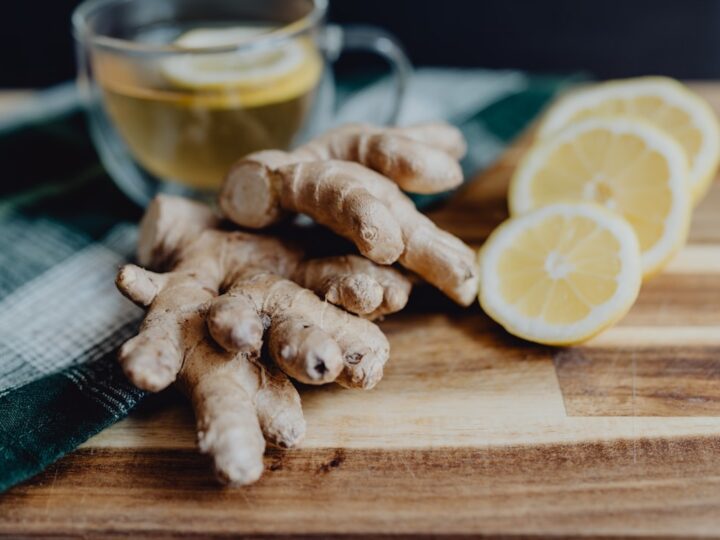
Fresh ginger root is grated into dals, simmered into tea, and pounded into pastes. Dried ginger powder, called sonth, is used differently and is common in winter cooking. Many older households keep both, knowing they do slightly different jobs.
Black mustard seed
Tiny, dark, and sharply hot when bitten raw, mustard seeds change personality when popped in hot oil. They become nutty and quiet. Almost every South Indian sambar and vegetable preparation begins with the sound of mustard seeds cracking in oil. The sound is a domestic signal that lunch is on its way.
Coriander
Both the seeds and the fresh leaves are used, but the seeds are the workhorse on the spice shelf. They are warm, soft, and slightly citrusy. Ground coriander is the bulk of many spice mixes. Whole seeds, lightly toasted, find their way into pickles and rice dishes.
“The Indian cook does not collect spices the way a stamp collector collects stamps. She uses the same seven for a lifetime, and the kitchen never feels empty.”
The smaller players
Beyond the main five, most households keep a small set of supporting spices. Black pepper for almost everything. Cardamom, both green and sometimes black, for tea and sweets. Cloves and cinnamon for biryani and the heavier winter dishes. Fenugreek seeds, both whole and ground, for pickles and certain breads. Asafoetida, used by the pinch in dals to soften their effect on the stomach.
This second set is usually smaller and used more sparingly. Many of these spices have classical Ayurvedic descriptions that go beyond cooking, but in the household kitchen they remain primarily flavours. The deeper applications belong elsewhere, in a careful conversation with a trained practitioner.
How a beginner should approach the shelf
The temptation, when reading about Ayurvedic spices, is to buy them all at once and then watch them go stale on a shelf. That is the opposite of how an Indian kitchen actually works. The wiser approach is to begin with one or two spices, learn them well, and add the next only when the first has become familiar.
Cumin and turmeric, used together in something simple like a dal or a roasted vegetable, are a perfectly good place to start. Add mustard seeds for tempering once you are comfortable with the sound of hot oil. Bring in ginger when you start making chai. Pair the shelf with eating food warm and a slower plate, and the kitchen begins to feel its way into the older rhythm without forcing anything.
The shelf in the wider room
A spice shelf, on its own, does not make a kitchen Ayurvedic. The shelf is one element of a wider pattern that includes ghee, warm food, steady hours, and quiet meals. The cooks I learned from used the shelf almost without thinking, and the kitchen around it was equally quiet and consistent.
If you are exploring this corner of the tradition, there are useful neighbouring pieces in traditional food practices and in our discussions of ghee, the warm plate, and the slow afternoon. The spice shelf is best treated as one fitting in a larger, slower kitchen rather than as a project on its own.
The longer life of a small shelf
Years from now, the steel tins in my mother’s kitchen will probably still be there, slightly more dented, the labels even harder to read. The spices inside will rotate, fresh batches replacing old, but the shape of the shelf will be the same. A few familiar names, used at the right moments, in steady rhythm with the meals of the day. That is the Ayurvedic kitchen as it actually lives, far from any wellness shelf.
If you take only one idea from this piece, let it be the smallness. The shelf does not need to grow. It needs to be used. Everything else follows. You can read about another piece of this kitchen in our piece on triphala, which sits not far from the spice tins in many households.
A short list, used well, will outlast every fashionable spice rack.