Agni: what “digestive fire” means, in plain language
Agni, in Ayurveda, is the metaphor for digestive capacity. Four states, small kitchen practices, and a two-thousand-year-old vocabulary for noticing how the body eats.
In the kitchen of a small flat in Pune, an aunt used to lay her palm flat against her stomach after lunch and say, quietly, “the fire is low today.” She meant she felt heavy, that the rice had settled like a stone, that she would skip her afternoon tea. She did not mean anything mystical. She meant her digestion, and she was using the word her grandmother had used, and her grandmother before her.
That word is agni. In Sanskrit it means fire, plainly, the same fire that burns in a hearth or in a temple lamp. In Ayurveda it is borrowed as a metaphor for the body’s capacity to take in food and turn it into something usable. Not a literal flame in the belly. A way of talking about appetite, warmth, timing, and the quiet work that happens between one meal and the next.
The idea appears in the classical texts, the Charaka Samhita and the Sushruta Samhita, which are roughly two thousand years old. If you would like the outside view, the Wikipedia article on Ayurveda lays out the tradition’s history and its place in South Asian medicine. What follows here is the household version, the one you hear across kitchens from Kerala to the Konkan coast, and the one that shapes ordinary decisions like whether to drink cold water with dinner.
The four states, as people actually describe them
Agni is usually spoken about in four states. They are not diagnoses. They are more like weather reports the body files.
Sama agni is the balanced state. You feel hungry around the same time each day, you eat, you feel light within an hour or two, you have a bowel movement roughly once every 24 hours, and you sleep without heaviness. Nothing dramatic. Most people who feel well most of the time have sama agni without ever thinking about the word.
Vishama agni is irregular. Hunger comes at odd hours or not at all. One day you can eat a full thali at 1 pm, the next day the same plate feels impossible. There is often gas, a rumbling that shifts around, mild bloating after meals. In classical thought this is linked with vata, the airy quality, and it tends to show up in people who skip meals, travel a lot, or work late.
Tikshna agni is sharp, sometimes translated as burning. Hunger is intense. If a meal is delayed by even 45 minutes there is irritability, a hollow feeling, sometimes heartburn or acid rising in the throat. Spicy food makes it worse. This is associated with pitta, the fiery quality. It is common in summer, in people who work long hours in front of screens, and in anyone who runs hot by temperament.
Manda agni is slow, dull. Food sits. There is heaviness after meals, a sluggishness in the afternoon, a coated tongue on waking, sometimes a sweetish taste in the mouth. Appetite is muted even when the last meal was many hours ago. This is linked with kapha, the earthy quality, and shows up in cold, damp weather, and after long stretches of rich or sweet food.
Most of us move between these states through a week. A traveller may sit in vishama for three days and then find sama again after a proper Sunday lunch at home. A person eating too many mangoes in May will tip into tikshna. A wedding season of eight days of ghee and sweets will leave almost anyone in manda for a while.
Reading the small signs
The tradition asks people to notice their own body carefully, not to test themselves against a chart. Still, a few observable signs come up again and again in kitchen conversation.
| State | Appetite | After a meal | Morning tongue |
|---|---|---|---|
| Sama (balanced) | Regular, moderate | Light within an hour | Pink, clean |
| Vishama (irregular) | Comes and goes | Gas, gurgling, restlessness | Patchy, dry |
| Tikshna (sharp) | Sudden, urgent | Burning, thirst, sometimes loose stools | Red edges, sour taste |
| Manda (slow) | Faint, delayed | Heavy, sleepy, sluggish | Thick white coating |
None of this is a substitute for a doctor. Persistent heartburn, sudden weight loss, or blood in the stool are matters for a physician, not for a jar of ginger pickle. What agni offers is a vocabulary for the everyday, the mild off-days between the doctor’s visits.
Household practices that support the fire
Ask ten Ayurvedic households and you will hear roughly the same handful of practices. None are secret. Most are the kind of thing a grandmother repeats until you finally listen in your thirties.
- Warm water, sipped through the day. A steel tumbler of water boiled for 5 minutes and then cooled to a comfortable warmth. Some households add three or four leaves of tulsi or a pinch of cumin. The idea is that cold water is thought to dampen agni, the way a splash of cold water dampens a small cooking flame. This connects to the older idea of eating food warm rather than cold, a preference you see across South Asian kitchens.
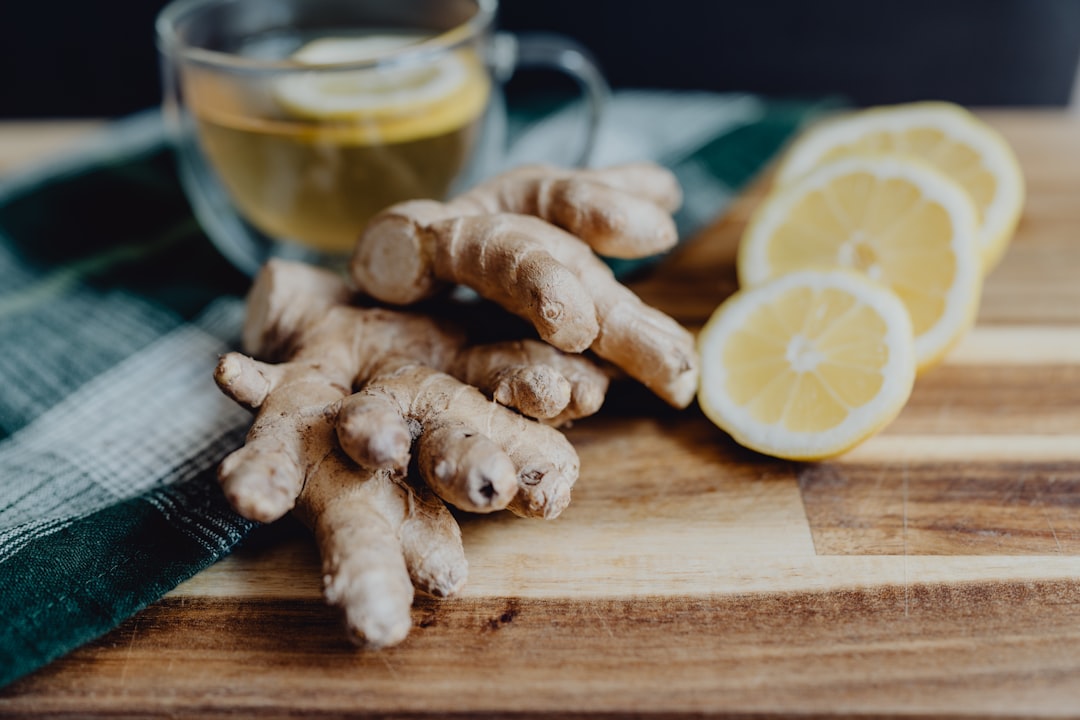
- A small piece of ginger before the main meal. A slice of fresh ginger, roughly the size of a thumbnail, with a few grains of rock salt and two or three drops of lemon juice, chewed slowly about 10 minutes before lunch. This is a very old practice, mentioned in the classical texts, and it is meant to wake the appetite gently.
- No cold water with food. Room temperature water, sipped sparingly, is preferred. Iced drinks with a hot meal are considered particularly unhelpful. In many South Indian households the water at lunch is warm buttermilk instead, thinned with three parts water to one part curd, sometimes with curry leaves and a pinch of ginger.
- A short pause after the plate is finished. Not a long nap. Five to ten minutes sitting quietly, ideally on the left side for a few minutes, to let the meal settle. This is easier to describe than to do in an office lunch break, but even sitting still with tea counts.
- Eating the main meal at midday. The tradition holds that agni is strongest between roughly 11 am and 2 pm, when the sun is highest. Heavy foods (rice with dal, meat, cheese, fried things) are best at that hour. The evening meal is lighter, often finished by 7 or 7.30 pm, at least two hours before sleep.
“If you drink ice water with your rice, my mother said, you are pouring water on your own kitchen fire while the pot is still cooking.” (overheard at a Tamil household kitchen, Chennai)
What to do when the fire feels off
The tradition offers small, cheap adjustments rather than dramatic interventions. For manda heaviness, a cup of hot water with half a teaspoon of grated ginger and a squeeze of lemon, sipped slowly. For tikshna burning, a small cup of coconut water, or a spoonful of soaked fennel seeds chewed after the meal, and no chillies for a day. For vishama irregularity, a bowl of khichdi (rice and mung dal in a 1:1 ratio, cooked soft with a little ghee and cumin) eaten at the same time for three days in a row, to let the body find its clock again.
Timing matters as much as ingredients. A meal eaten in 12 minutes at a desk, while answering messages, will sit differently in the body than the same meal eaten in 25 minutes at a table. This is why the practice of slowing down over the plate is treated as part of digestion in Ayurveda, not something separate.
If none of the four states quite fit what you notice in yourself, that is normal. Bodies do not read the textbook. What the framework is really for is attention, a way of asking, gently and daily, “how is the fire today?” and adjusting a small thing in response. For a fuller sense of how these categories sit inside the larger picture of the doshas, the beginner’s introduction to dosha thinking is a good place to keep reading.
The word agni is not asking anyone to believe in a hidden flame. It is a two-thousand-year-old way of noticing that we eat, and that eating goes better on some days than others, and that a warm tumbler of water and a five-minute pause are often enough to shift the day. A quiet vocabulary, useful mostly because it makes you look.