Preserving lemons: a Moroccan jar on the shelf
In the Marrakesh medina, a woman keeps three jars in a row on a low shelf: one to use, one to wait, one for guests. The everyday alchemy of salt and lemon and time.
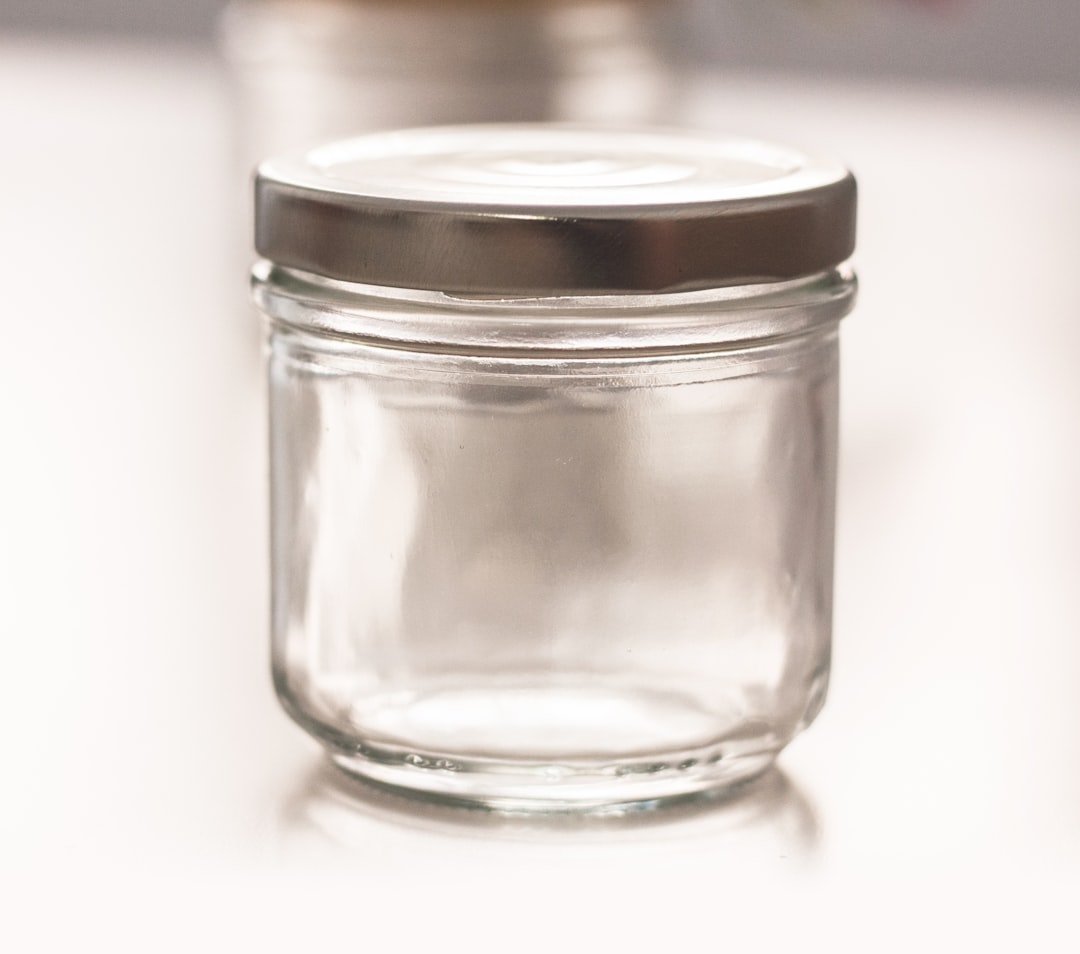
The first jar I remember was on a low shelf in a house in the Marrakesh medina, in a quiet room off the courtyard where the light fell in slats. The jar was old, its glass slightly clouded, and inside it sat five or six yellow lemons packed tight in cloudy brine. They looked almost translucent, like fruit that had been held under water for a long time.
The woman of the house called them l’hamd markad. Salted lemons. She kept them beside a jar of olives and a small tin of ras el hanout, and she took one out with a wooden spoon when she needed it, never with her hands.
This is the everyday alchemy of Moroccan kitchens. A fruit, a salt, a jar, a shelf. Three weeks of patience, and something ordinary becomes something you cannot cook the same food without.
The lemon
The lemon of choice is the beldi (Citrus × limon), a small, thin-skinned variety grown around Marrakesh, Fez, and the Souss valley. Beldi means “of the country,” which is what Moroccans call anything homegrown as opposed to roumi (foreign). Beldi lemons are round, sometimes almost spherical, with a fragrant, oily rind and a good deal of juice. Their skin is thin enough that the salt draws through quickly and softens them within weeks rather than months.
If you cannot find beldi, Meyer lemons work beautifully. They have the same thin, aromatic skin and a slight orange note that suits the finished preserve. Common Eureka or Lisbon lemons will also serve. Thicker skins take a little longer to soften, but the result is still fine.
Whatever you use, choose lemons that are unwaxed, firm, and heavy for their size.
The method
Six or seven small lemons fit into a 1 liter jar. You will need about 1 tablespoon of coarse salt per lemon, plus a few tablespoons more to line the bottom and scatter between the layers.
| Jar size | Small lemons | Coarse salt | Extra juice (top up) |
|---|---|---|---|
| 500 ml | 3-4 | 4 tbsp | 1 lemon |
| 1 liter | 6-7 | 8 tbsp | 2-3 lemons |
| 2 liter | 12-14 | 1 cup | 4-5 lemons |
Wash each lemon under cold running water and dry it thoroughly. Holding the fruit stem-up, cut it into quarters lengthwise, but stop about 1 cm short of the base so the pieces stay attached. The lemon should open like a flower without falling apart.
Push a generous spoonful of coarse salt into each open lemon, working it into the flesh with your fingers. Some cooks add a small piece of cinnamon stick, a bay leaf, or two or three black peppercorns to the jar at this stage. Others prefer the lemons pure, tasting only of themselves.
Line the base of a clean glass jar with a layer of salt. Press the first salted lemon in hard, then the next, squeezing each down so its juice begins to run. Every two or three lemons, scatter in another spoon of salt. When the jar is full, the lemons should be sitting under their own liquid. If they are not, top up with the juice of freshly squeezed lemons until the fruit is covered.
Close the jar and set it aside on a cool, dark shelf. For the first three or four days, open it once a day and press the lemons down with a clean wooden spoon so the salt continues to draw the juices out. After a week, the lemons will have shrunk slightly, the brine will have thickened, and the smell (when you crack the lid open) will be sharp and clean.
Leave the jar undisturbed for three to four weeks.
Reading the jar
You will know the lemons are ready when the peel is soft enough to yield under gentle pressure from a spoon, when the fruit inside has almost dissolved, and when the brine has turned from clear yellow to a slightly cloudy amber. The smell should be tart, floral, faintly funky, the way an old olive brine is funky. If it smells rotten or vinegary or unpleasantly sweet, discard it.
A good jar keeps for six months at room temperature and up to a year in the refrigerator once opened.
What you do with them
The preserved lemon is a seasoning, not a fruit. In most Moroccan dishes only the rind is used. The pulp is scraped away with a small knife and discarded, or (if the cook is thrifty) whisked into a salad dressing. The rind is rinsed briefly under cold water to take the edge off the salt, then sliced into thin ribbons or small dice.
Two or three quarters go into a chicken tagine with green olives and saffron, the classic djaj m’hammer, which every Moroccan family cooks slightly differently. A single quarter, finely chopped, disappears into a carrot salad with cumin and orange-flower water. A ribbon of peel goes over grilled sardines. A spoon of the brine sharpens a lentil soup.
The salt does something to the rind that no fresh lemon does. It removes the harsh oil, softens the pith so it becomes edible, and concentrates the citrus into something almost floral, almost meaty. You cannot recreate the effect with fresh lemon and salt at the last minute. Time is the ingredient.
A jar on the shelf
In Morocco, preserved lemons belong to the same household patience that fills a courtyard with drying tomatoes, bunches of hanging mint, and rows of olives in oil. There is a rhythm to it, older than the recipes themselves. A woman I met in a Fez riad kept three jars in a row on a low shelf above the kitchen door: one nearly empty, one halfway down, one just started. “Always three,” she said, waving a wooden spoon. “One to use, one to wait, one for guests.”
The same instinct that arranges the pickling jars on a sunny ledge arranges the lemons in their salt. It is the instinct that tells you which fruit is ready, which will keep, which will not. In the villages of the High Atlas, women still lay tomato halves out on a clean sheet on the flat roof, drying them in the summer sun until they turn dark and leathery. The jar of lemons sits in the same universe of slow, small, ordinary provisions.
“The lemons wait for you the way the hammam waits for you. You do not rush a lemon and you do not rush a bath.” (overheard in a Marrakesh riad kitchen)
Wikipedia keeps a serviceable entry on preserved lemon that traces the practice across North Africa, Iran, and India, where similar salt-cured citrus preparations exist under different names (limu amani in Persian kitchens, nimboo ka achaar in the Indian ones). Paula Wolfert’s writing on Moroccan cuisine remains the standard English-language reference for the l’hamd markad tradition, and any of her books will send you further in.
Can I use table salt instead of coarse salt?
Fine salt draws the juice out too fast and can make the peel unpleasantly gummy. Coarse sea salt or kosher salt gives an even, slower cure and a firmer rind. If fine salt is all you have, reduce the quantity by about a third and press it into the fruit more gently.
Do I need to sterilise the jar before packing?
A jar washed in hot soapy water, rinsed, and dried in a warm oven for ten minutes is enough. The salt and lemon juice together form an environment that most spoilage organisms cannot tolerate. You do not need pressure canning or a boiling-water bath.
How long before the lemons are actually usable?
Three weeks is the earliest useful moment. Four to six weeks is better. The lemons keep developing for months, growing softer and more complex. Many Moroccan cooks say a six-month-old jar is worth two fresh ones.
Can I use the leftover brine?
Yes. It is one of the great by-products. A spoonful sharpens a chicken stock, dresses a plate of steamed potatoes, or replaces vinegar in a vinaigrette. Some cooks strain the brine, bottle it, and treat it like a light citrus fish-sauce.
What if the peel tastes bitter?
A short, thick-skinned lemon (a standard Eureka, say) sometimes cures with a bitter pith. Rinsing the peel under cold water for thirty seconds before use, or briefly blanching it, takes off most of the bitterness. Beldi and Meyer lemons rarely have this problem.