Winding the evening down, the Ayurvedic way
A cultural look at how older Indian households shape the evening hours, and what they suggest about ending the day kindly.

The lamps in my grandmother’s house in Vellore used to come on around six, even when the sun was still out. She did not believe in the harsh overhead light of the dining hall after dusk. A small brass lamp on the verandah, a soft bulb on the kitchen counter, a single shaded lamp in the sitting room. The whole house dimmed gradually, in steps, as the evening came in. By eight, the place was lit like a quiet old film. By nine, everyone was reading or already in bed. Nobody had been told to slow down. The house did the slowing for them.
This is one of the more under-described pieces of Indian Ayurvedic life: the deliberate, almost architectural way an older household winds the evening down. It is not a discrete practice you can adopt in twenty minutes. It is a small set of choices, layered across the late afternoon and the night, that together make the body and mind settle without effort.
The classical instruction, in plain words
Classical Ayurveda describes the evening as a gentle, downward-moving stretch of the day. Heavy work, sharp argument, intense exercise, large meals, and bright stimulation are all discouraged in the hours close to sleep. The older village rhythm reinforces this through habit: the kitchen quiets, lamps replace daylight, voices drop, and the day winds toward bed without struggle.
The instruction is not to ban all activity. It is to lighten the load progressively. Late afternoon may still hold a brisk walk or a light task. Early evening is for a slower meal and a quieter room. The last hour before sleep is for the smallest possible inputs: a soft light, a slow conversation, maybe a few pages of an unhurried book.
A short cultural note
What follows is a cultural and historical look at an older Indian rhythm, not a clinical sleep guide. If you live with insomnia, anxiety, or a specific sleep concern, please speak with your doctor and, if you wish, a qualified Ayurvedic practitioner. The version here is the one most older Indian households simply lived. Take what fits your situation and leave what does not.
The early dinner
One of the most distinctive features of an Ayurvedic evening is the early, lighter dinner. The classical recommendation is to eat dinner roughly two to three hours before sleep, and to keep it lighter than lunch. In a typical Indian household this often means a small bowl of khichdi, a light dal with rice, a simple vegetable, or a thin soup. The plate is smaller. The spices are gentler. The meal is finished early.
This sits naturally with eating food warm and with the broader pattern of the slow Ayurvedic plate. The evening meal is the smallest of the day, not the largest. Many Indian elders are firm about this in a way that surprises Western visitors. The Mediterranean and East Asian traditions often agree, even if their cuisines look different.
The slow dim
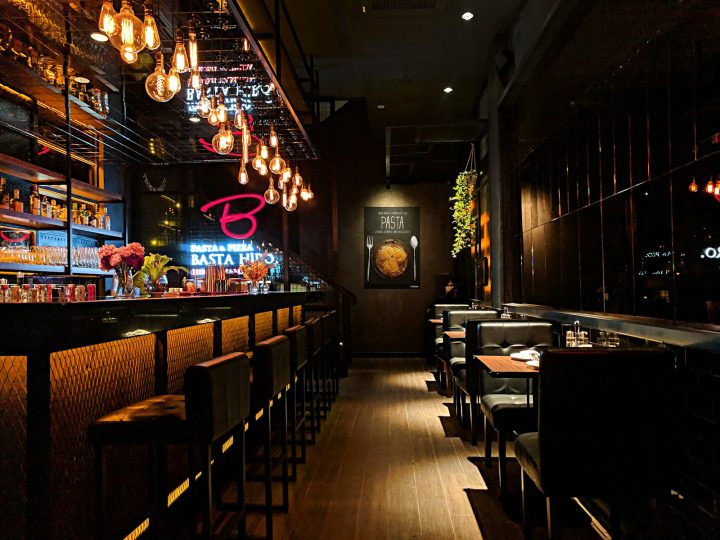
The way light is handled in the evening is one of the most under-discussed pieces of Indian Ayurvedic life. Older homes did not flood the rooms with bright overhead light after sunset. They used smaller lamps, lower bulbs, and the warm yellow of brass or clay vessels. The eye registered the difference. The body followed.
Modern homes, with their bright LED kitchens and harsh ceiling lights, often miss this entirely. The body, asked to face daylight-level brightness at nine in the evening, becomes confused. A simple, low-effort change for a modern beginner is to lower the lights in the evening, ideally with warmer-toned bulbs or lamps rather than overhead fixtures. The shift is gradual, not sudden. By the last hour before sleep, the room is genuinely dim.
“Sleep is a guest who arrives only when the house is already quiet.”
The screen as a late-evening problem
The Ayurvedic preference for low stimulation late in the evening predates the screen, but the principle applies cleanly. Bright phones and laptops, fast-cut video, social media scrolling, and intense news consumption are all difficult companions to a winding-down body. The older Indian rhythm did not need to discuss this. The newer one does.
A simple, honest version of the practice is to set a soft cutoff, perhaps an hour before bed, after which the screens are quieter or absent. The room takes over. The light is low. The body, given the chance, begins to settle. The connection to resting the senses is obvious.
The small final rituals
A warm wash
A short, warm wash or shower in the evening, especially after dinner, is a long Indian habit. The feet are sometimes washed separately, even when the body is not bathed. The simple act of running warm water over the hands, face, and feet quietly tells the body that the day is ending. Older households kept this almost without thinking.
A small drink, maybe
Some Indian households take a small cup of warm milk before bed, sometimes with a pinch of cardamom or a few strands of saffron. This is a regional habit more than a strict Ayurvedic rule, and not everyone uses it. A small, warm, quiet drink, in any form that suits you, is part of the older instinct.
The window before sleep
The fifteen minutes immediately before bed are treated, in the older view, as a small, important window. Heavy reading, work emails, and sharp conversation are kept out. A short pause on a verandah, a slow walk to the bedroom, a soft conversation, or just a moment of quiet in a low-lit room is preferred. The transition into sleep, in this view, is itself a small ritual.
The evening as the door to the next morning
The reason the evening receives so much attention in classical Ayurveda is that it sets the shape of the next morning. A long, heavy, late dinner makes a heavier morning. A bright, screen-soaked late evening makes a rougher waking. A quiet, lightly fed, gently lit evening makes a softer next dawn.
This connects the evening rhythm to the wider arc of dinacharya, the rhythm of an Ayurvedic day. The two ends of the day mirror each other. Neither is sealed off. What you do at nine in the evening affects what is possible at six the next morning. Older Indian households simply lived this awareness.
What this is not
The Ayurvedic evening is not an exercise in austerity. It is not a programme to follow. It is not a competition with anyone else’s sleep hygiene. The older Indian version was simply a steady, ordinary thing, repeated for many years, in many households, with countless small variations.
A reader new to all of this can adapt as much or as little as suits. A move toward an earlier, lighter dinner. A dimmer evening room. A softer screen cutoff. A small, warm wash before bed. Each of these, in isolation, is a meaningful change. Together, even slowly, they begin to make the evening feel like its older self.
The lamp on the verandah
My grandmother’s brass lamp on the verandah used to glow for an hour or two after sunset, even when nobody was sitting there. It was a kind of household signal. The day, by its light, was already winding down. The house, by its dimness, was preparing. I think of that lamp often now, in a flat thirty years and several cities away, when I am trying to remember why my evenings should slow.
The Ayurvedic evening, in the end, is not a list. It is a quiet, steady gesture of letting the day go. The food gets lighter. The light gets warmer. The voices get softer. The senses get a little space. And by the time sleep arrives, the body is already most of the way there. There are more companion practices in our comfort and relaxation rituals section for anyone who wants to extend the evening gently.
You do not have to chase sleep. You only have to leave the door open for it.