Yerba mate: the gourd and the bombilla
On the South American tradition of yerba mate, the shared gourd, the metal straw called the bombilla, and the rounds that hold together long conversations.
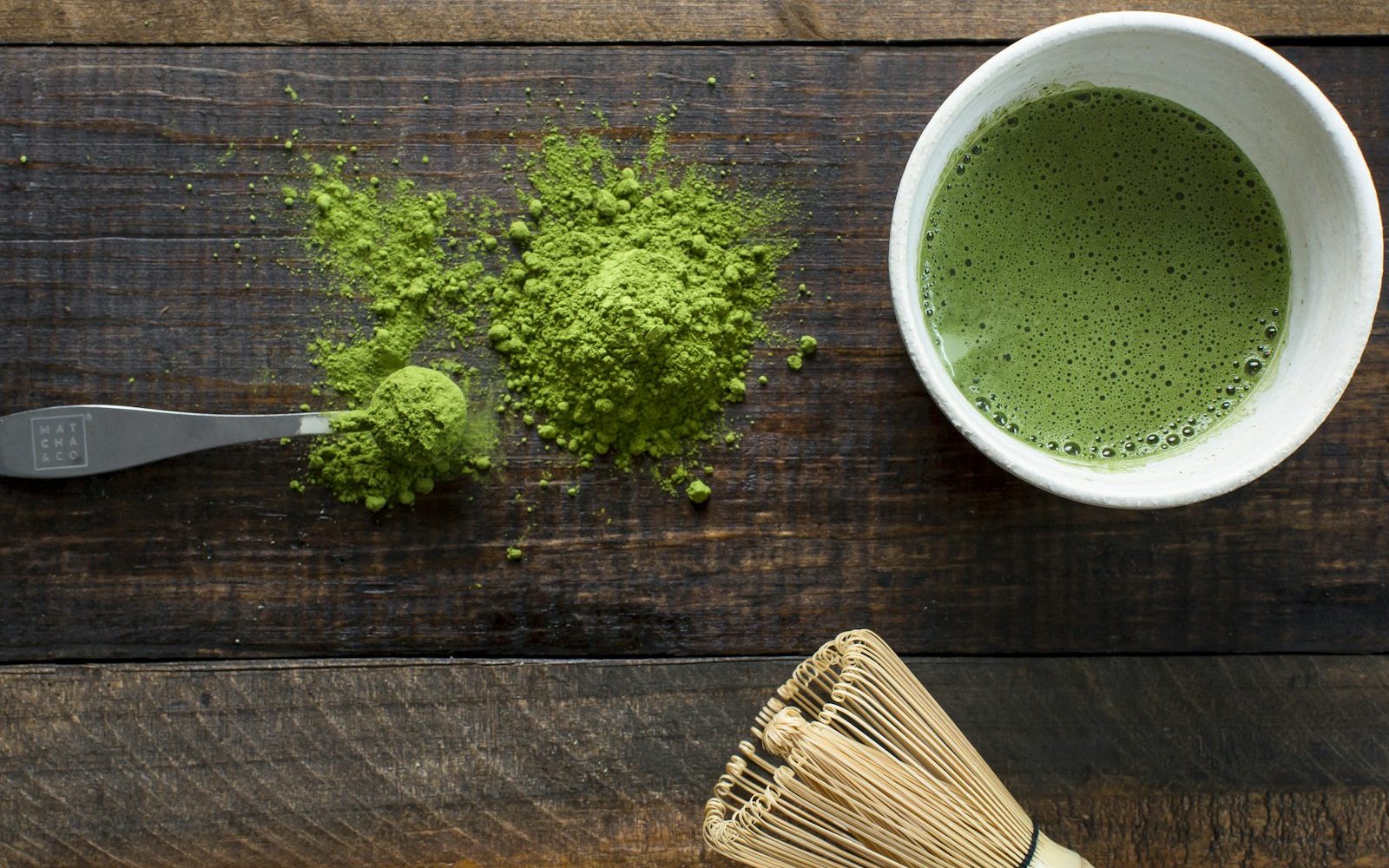
In a small plaza in Montevideo, on a Tuesday afternoon, an older man sat on a wooden bench with a hollowed gourd in one hand and a thermos under his arm. The gourd was packed with bright green leaves on one side and a small hollow on the other where he had poured hot water from the thermos. A silver tube called a bombilla rose from the gourd. He sipped slowly, refilled the gourd, passed it to the woman beside him, and they continued their conversation. Neither of them looked at a phone.
This is mate (pronounced MAH-tay), the drink of the southern half of South America. It is a way of preparing the dried leaves of Ilex paraguariensis, a holly plant native to the subtropical forests of Paraguay, southern Brazil, northern Argentina, and Uruguay. It is also, equally importantly, a social practice. The drink and the practice are inseparable.
The leaf and the land
Yerba mate is the dried, cured, and aged leaves of a holly tree that grows in a specific climate. The leaves are harvested, briefly heat-treated to stop oxidation, then dried, broken into small pieces, and traditionally aged for several months to over a year. The result is a coarse, grassy-green tea that smells faintly of dry hay and steeped grass.
The plant has been used by the Guarani people of the region for centuries, long before the Spanish arrived. Jesuit missionaries in the seventeenth century learned the practice from the Guarani and helped spread its cultivation. By the eighteenth and nineteenth centuries, mate had become the daily drink of huge swathes of the southern cone of South America, from rural gauchos to urban families.
The gourd and the bombilla
The traditional vessel is the mate itself, a small hollowed-out calabash gourd, often lined with the natural inner skin of the fruit. Modern versions are made of wood, ceramic, or even silicone, but the gourd is the original. A well-used wooden or natural-gourd mate develops a darker interior over years, much like a well-used iron pan.
The bombilla is the metal straw, traditionally silver or alpaca (a silver-coloured metal alloy), with a flattened bulb at the bottom that acts as a strainer. The leaves stay in the gourd; only the liquid passes up the bombilla into the drinker’s mouth. The shape and weight of a good bombilla make it surprisingly precious; some are passed down across generations.
“The mate is not yours when you hold it. The mate is yours when you pass it.” (a phrase from a small mate shop in Salto, Uruguay, 2018)
How a round works
The gourd is filled about two-thirds full with dried yerba leaves. The gourd is tipped on its side so the leaves form a small hill on one side, then the gourd is brought upright, creating a hollow space where the bombilla will be inserted. Cool water is poured into the hollow first to wet the leaves gently. After a minute, hot water (not boiling, around seventy to eighty degrees) is added, just enough to fill the hollow.
The first person to drink (the cebador, the host or pourer) takes the bombilla, drinks the entire gourd through the straw, and then refills the hollow with more hot water. The gourd is then passed to the next person, who drinks the full gourd in the same way. The round continues, refilled each time, until someone says “gracias” when handing the gourd back, which means they are done.
The social weight
The most important thing about mate is that it is shared. The same gourd, the same bombilla, the same leaves. Everyone in the round drinks from the same straw. This is not casual; it is part of what mate is. Drinking mate alone is possible and common, but drinking mate in a group is what defines the practice.
The order of passing is informal but real. The cebador refills and passes to whoever is next, going around the group. To say “gracias” before you are actually finished with the round is to step out of it; the gourd will not be passed to you again. To say nothing and keep accepting it is to stay in the round.
Variations across the southern cone
Argentine mate tends to be drunk with hot water and unsweetened, with stronger, dustier leaves called yerba con palo (which includes small stem pieces). Uruguayan mate is similar but often even more leaf-heavy in the gourd, with thermoses carried everywhere. Brazilian chimarrao (the southern Brazilian version) uses very finely ground yerba and is often drunk with slightly cooler water in a different gourd shape.
Paraguayan terere is a cold version, made with iced water (sometimes herb-infused) and often drunk on hot afternoons rather than hot mornings. It uses the same leaves and the same bombilla but is a different drink in feeling, suited to the country’s long subtropical summers.
The drink in daily life
In Argentina and Uruguay, the average household consumes mate every day, often multiple rounds. People carry their gourd and thermos to work, on the train, to the beach, to the office, to a park bench. It is one of the few hot drinks anywhere in the world that is genuinely portable as a social practice, not just as a take-away cup.
The pattern is part of what readers familiar with our writing on daily wellness routines may notice across many cultures: a single beverage practice that anchors the day. In some cultures it is morning chai or evening chamomile. In Argentina and Uruguay, it is mate, often three or four rounds across the day, each one anchoring a conversation or a quiet pause.
The caffeine and the character
Mate is caffeinated, though some sources distinguish between caffeine and a related compound called mateine. The practical effect is that mate gives a slow, sustained alertness rather than the sharper spike of espresso. Drinkers often describe it as alert without being jittery, which is part of why long study sessions and long working days are mated through.
The flavour is unusual. Unlike most leaf teas, yerba is grassy, vegetal, slightly bitter, with an almost smoky note in some traditional curing styles. New drinkers often find it strange. After a few rounds, the taste begins to make sense in a way that is difficult to predict. Many people who tried it once and disliked it found that drinking it three or four times completely changed how they tasted it.
Connections to other traditions
Mate sits in our wider herbal drinks family alongside other strong daily-cup traditions like Japanese genmaicha and Moroccan atay. All three are leaf-based, all three are social, and all three have specific vessels and small ceremonies. The differences are also instructive: mate is shared from one mouth to another in a way that most other tea traditions are not.
This sharing is the thing that surprises most non-South Americans the most. The same bombilla. The same gourd. The same round. In a culture more obsessed with individual cups and personal sanitation, the practice can take a moment to settle into. In its home countries it is so normal that to refuse the bombilla feels like refusing a hand to shake.
A quiet word of care
Yerba mate has real caffeine, and some sources have raised concerns about very hot mate consumed in large daily volumes over decades. Drinking it at the traditional cooler temperature (not boiling water) is the safer practice. Anyone pregnant, sensitive to caffeine, on medication, or unsure should speak with a qualified practitioner before making mate a daily habit. As with any inherited drink, the small attention is courtesy.
The gourd, at the end of the round, is emptied of its spent leaves. The bombilla is rinsed under cool water. The thermos is refilled for the next round in an hour, or the next afternoon, or whenever the next pause comes. There is always a next round.
Is yerba mate the same as green tea?
Do I really have to share the bombilla?
Why use water that is not boiling?
The plaza is emptying. The thermos is light. The conversation, which the gourd held together, will resume tomorrow.