A warm eye compress in the evening
A folded cotton cloth, warm water at 40 to 42 degrees Celsius, five to eight minutes over closed eyes. The small evening habit that survives in French, Japanese, and Indian households.
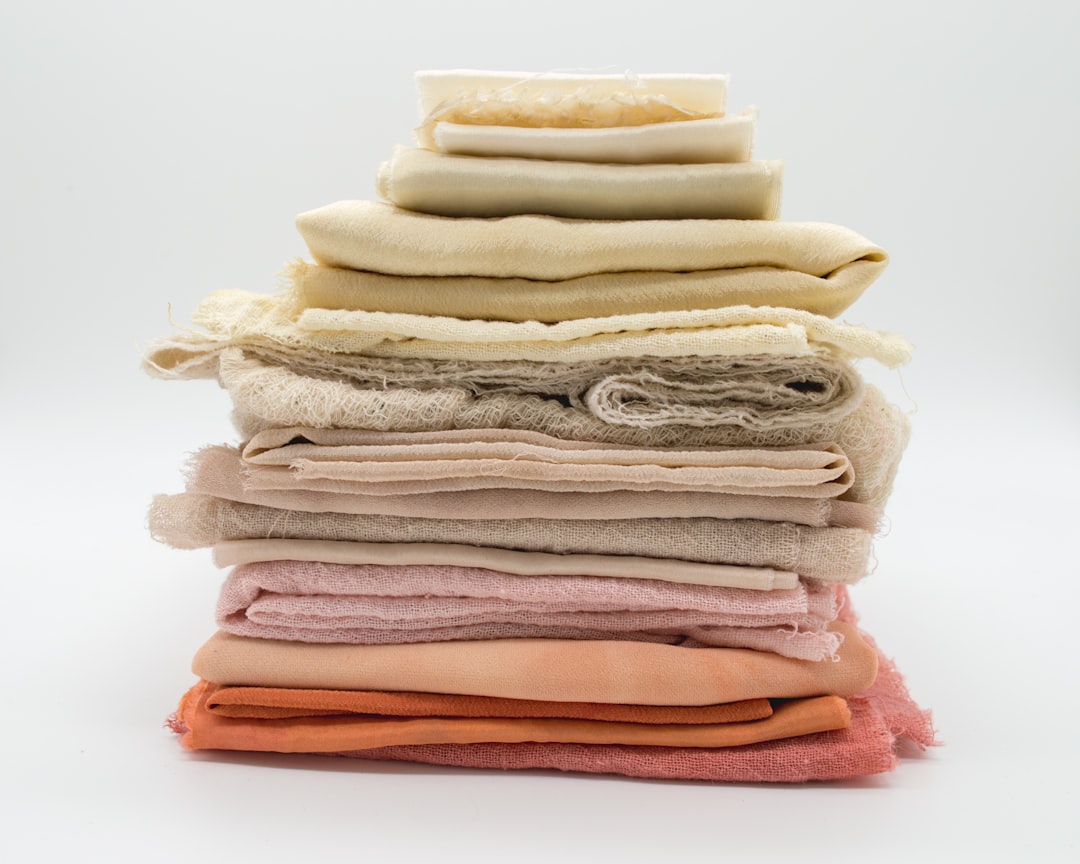
In a small flat above a bakery in the 11th arrondissement of Paris, a woman I know keeps a shallow enamel bowl next to her bathroom sink. Every evening, around nine o’clock, she fills it with warm water, drops in a folded square of cotton, and lays the cloth over her closed eyes for six or seven minutes. She has done this for thirty years. Her mother did it before her.
The warm eye compress is one of those small evening habits that survives centuries because it costs almost nothing and asks almost nothing of you. A cloth. Warm water. A quiet minute at the end of a day the eyes have worked too hard.
What it is, briefly
A folded piece of clean cotton, dampened in warm water at about 40 to 42 degrees Celsius (roughly the temperature of a comfortable bath, cool enough to leave against the inside of your wrist without flinching), pressed gently over closed eyelids for five to eight minutes. That is all. The warmth loosens the tiny oil glands along the lash line, softens the small tensions that gather in the muscles around the eye, and gives the reader a reason to stop reading for a moment.
No pharmacy has a monograph on this. It sits, like a lot of household practices, in the space between grandmother and doctor, unbothered by either.
The three household versions
Traditions vary. Three versions turn up again and again in the kitchens I have visited or read about.
The French chamomile version
In parts of Provence and the Loire, chamomile (Matricaria chamomilla, the German chamomile, or Chamaemelum nobile, the Roman variety used more often in older French households) is steeped like tea. One tablespoon of dried flowers in about 250 ml of water just off the boil, covered for eight minutes, then allowed to cool to a warm, not hot, temperature. The cloth is dipped, wrung out, and laid over the eyes. The pale hay-and-apple smell is one of the reasons it persists.
The Japanese rice or azuki pouch
In Kyoto and elsewhere in Japan, a small cotton or linen pouch filled with uncooked rice, azuki beans, or flaxseed is warmed briefly in a bamboo steamer, or, more often now, in a microwave for 40 to 50 seconds. The pouch is soft, dry, and holds heat evenly for about ten minutes. Some households add a few dried lavender buds or dried yuzu peel to the filling. The pouch is reusable for a year or two before the rice dulls and needs replacing.
The plain Indian version
In most Indian households I have seen, the cloth and the water are enough. A soft muslin square, folded four times, dipped in warm water from the same kettle used for evening tea, wrung until it does not drip, and pressed over the eyes while the reader lies back on the bed for five minutes. My aunt in Pune adds nothing. “The water is doing the work,” she says. “Why complicate it.”
“A hot cloth on tired eyes is older than reading. Older than lamps. When my mother did it she was quiet for those five minutes, and the whole house went quiet with her.” (overheard at a household kitchen in Kochi, Kerala)
When it earns its place in the evening
Days that end with sore, dry, or heavy eyes are the ones this small ritual was made for. The obvious modern culprit is the screen. A person reading a phone, laptop, or television for eight or nine hours blinks about a third as often as usual, and the tear film across the eye grows thin and uneven. A warm compress does not undo a day of that, but it softens the oil layer at the lash line and gives the eye a chance to recover something before sleep.
Other evenings it suits: after a long drive at night, after crying, after a windy day at the coast, after several hours of close work like sewing or reading small print. It sits neatly at the end of a wider evening practice, next to a slow Ayurvedic wind-down or after a shorter facial steam over a bowl and towel.
How to do it, step by step
- Choose a clean, soft cotton square, ideally muslin or a thin flannel, roughly 20 by 20 centimeters. Wash it before its first use.
- Boil water, then let it stand for two or three minutes until it drops to about 40 to 42 degrees Celsius. Test on the inside of your wrist. It should feel warm and pleasant, never sharp.
- If using chamomile, steep one tablespoon of dried flowers for 8 minutes, then strain. If using a rice pouch, warm it in a steamer for 3 minutes or in a microwave for 40 to 50 seconds and test the outside on your wrist.
- Fold the cloth in four. Dip, wring out most of the water, and lay it flat over closed eyelids.
- Lie back. Set a small timer, or count six or seven slow breaths per minute for five to eight minutes.
- Remove the cloth. Pat the skin dry with a clean towel. Do not rub.
- Wash the cotton square before the next use. A warm, damp cloth is a small hotel for bacteria if left out.
When to skip it
Contact lenses come out first. Always. Water, even clean warm water, is not meant to sit against a lens. Anyone with an active eye infection, a stye that is red and swollen and painful, conjunctivitis, or an unexplained change in vision should see an eye doctor before doing anything at home. Same for after any recent eye surgery. This is not the moment for a household cloth.
If the skin around the eyes is broken, irritated, or has an open cold sore nearby, wait. And chamomile, though gentle, is in the same botanical family as ragweed and can bother people with that allergy. On a first try, test the cooled tea on the inside of the wrist for a few minutes before it reaches the face.
The counterpart, for balance
The warm compress works one way. Its opposite, a cool compress with cucumber and rosewater, works the other, soothing puffiness and heat around the lids in the morning. Many households alternate, warm at night, cool in the morning, without ever thinking about it as a system.
The habit is old. Pliny the Elder mentions warm cloths for eye fatigue in his first century Natural History. Egyptian household records from the Ptolemaic period do too. It has outlived its explanations because it works quietly and asks so little.
See also the Wikipedia entry on warm compresses for broader medical context, and the Wikipedia article on German chamomile for background on the plant.