Solstice quiet: a longest and shortest night ritual
The two nights of the year when light reaches its limit, and the small household practices that hold them.
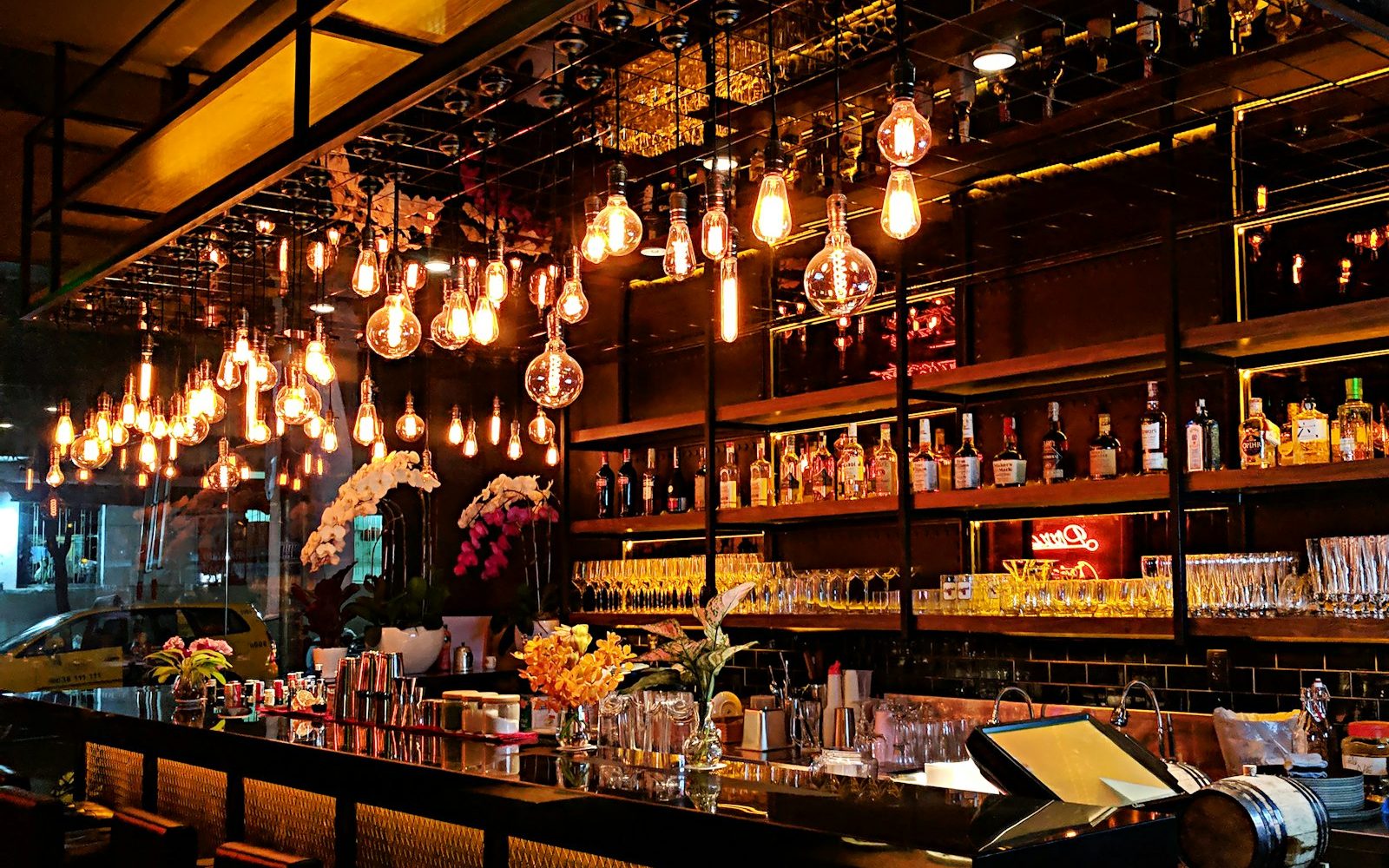
On the longest night of the year, my mother used to fill the small brass lamp on the windowsill with extra oil. Not because we needed the light. We had electricity. But because the lamp on the windowsill on the longest night had been her grandmother’s habit, and her grandmother’s before that, and the lamp seemed to know what it was for even when the family had partly forgotten.
The flame would burn through the early evening, through the long supper, through the slow conversation that followed, and somewhere around midnight, when one of the aunts finally noticed it had gone out, the day would be considered properly closed. The shortest night, in June, was marked differently: no lamp at all, only a long walk after the evening meal in the still-blue light of nine in the evening.
Two nights, two attentions
The solstices are not the same kind of day as the equinoxes. The equinoxes are about balance. The solstices are about extremity. Around the twenty-first of December, the night is longest in the northern hemisphere. Around the twenty-first of June, it is shortest. Both nights have been marked by households across the world for thousands of years, and the marks they leave on family life are remarkably persistent.
What I have learned, over many seasons in Tunis and later in Marseille, is that the two nights ask for different things. The winter solstice asks for stillness, warmth, and a small light. The summer solstice asks for an open window, a late walk, and a willingness to stay up an hour longer than usual. The household, if it is paying attention, gives them both what they want.
The longest night: oil and patience
The winter solstice falls at the darkest point of the year. The temptation, in modern life, is to fill the night with screens and noise. The older instinct is to do the opposite. Lower the lights. Light one good lamp or one good candle. Eat slowly. Talk quietly. Go to bed at a reasonable hour. The night is long enough to hold all of this without strain.
In North African households, the brass lamp on the longest night was both decorative and practical. It marked the day. It softened the room. It gave the family a single warm point to gather around. If you do not have a brass lamp, a single beeswax candle on a small dish does the same work. Light it at sunset. Let it burn through dinner. Notice when it goes out.
The supper of the longest night
The food of the winter solstice, in the traditions I know, tends toward warmth and dark colour. A slow lentil soup with a lot of cumin and a swirl of olive oil on top. A small platter of dried fruit (dates, figs, raisins) with a few nuts. A bowl of mandarin oranges, peeled by hand, segments shared around the table. None of this is elaborate. All of it can be made in the same afternoon, and most of it keeps well into the next day.
What matters more than the menu is the pace. The supper of the longest night is meant to take time. An hour and a half is not too long. The lights are low, the conversation drifts, the children are allowed to fall asleep on the cushions. By the time the table is cleared, the night has already begun to feel like the gift it actually is. Pair the meal with the slower kitchen approaches in our piece on winter solitude.
“On the longest night, the household becomes a small fire that the dark agrees to circle, not to enter.”
The shortest night: open windows and a late walk
The summer solstice is the opposite kind of evening. The light lasts. The air is warm. The windows have been open all day. The instinct of the older households I know is not to gather inward but to extend outward, just a little, into the long blue evening.
In coastal Tunisia, my aunt and uncle would walk along the seafront after dinner on the night of the summer solstice. Not far. A kilometre, perhaps. They would stop for a coffee at one of the small cafes, watch the last fishermen come in, and walk home slowly through streets that did not properly darken until past ten. The day was the longest of the year, and they used the gift of it deliberately, without making any fuss.
A small ritual you can keep
If you want to mark both solstices in your own household without inventing anything elaborate, the simplest pair of practices is this. On the longest night, light one candle at sunset and let it burn until you go to bed. On the shortest night, take a slow walk after dinner and stay out until the sky finally darkens, however late that is in your latitude. Both practices take less than an hour. Both have been done by households for centuries.
What gets remembered
The strange thing about solstice observances is how clearly they survive in the memory. I can recall almost every winter solstice supper of my childhood, even when I cannot remember a single other evening from the same week. The simplicity of the ritual seems to act as a hook in the year, and the household’s memory hangs itself on that hook.
This is, I think, the actual reason for marking the solstices. Not for any ceremonial or spiritual reason. Simply because a year unmarked is a year that blurs together, and a year marked even lightly by these two nights becomes a year you can return to, in memory, with clarity. The same logic applies to the small rituals we have written about for the equinox days.
The night after
What I notice on the day after each solstice is a small change in the household. After the longest night, the family is slightly quieter than usual. The children sleep late. The conversation at breakfast is gentle. There is no rush. After the shortest night, the opposite: an early waking, a brisk breakfast on the balcony, a slight buoyancy that lasts most of the day.
This is not magic. It is what happens when a household pays attention to the year, even briefly. The body and the rooms register the recognition. The day after a marked night is rarely an ordinary day. You can layer these with the small daily routines you already keep, and the solstices will return year after year as small anchors in the calendar.
Carrying the year forward
After the winter solstice, the light begins, very slowly, to return. By the end of January it is noticeably longer in the afternoons. After the summer solstice, the opposite: by the end of July the evenings begin to close a few minutes earlier. The household that has marked the night feels these shifts more clearly, and the months that follow have a slightly more deliberate shape.
You do not need to know any astronomy to feel this. The body picks it up on its own, particularly if the year has been punctuated by a few small observances. The brass lamp, the late walk, the one candle on the supper table: these are not elaborate rituals. They are the small marks that keep the year from passing without notice.
By morning the candle is a small puddle of pale wax, and the light outside is, just barely, returning.