Sattu drink: a Bihar summer glass
Roasted chickpea flour whisked into cool water with black salt, cumin and lemon. A quiet noon glass from the Ganga plain, drunk when the mercury crosses 42.
By noon in Bhojpur the sun sits directly overhead and the dust on the road turns the colour of pale flour. My uncle, who grew up on a small plot outside Ara, remembers his father coming in from the fields at that hour, sitting on the threshold of the kitchen, and drinking a glass of something the colour of buttermilk with flecks of coriander leaf floating on top. This was sattu ghol, the summer drink of the eastern Ganga plain.
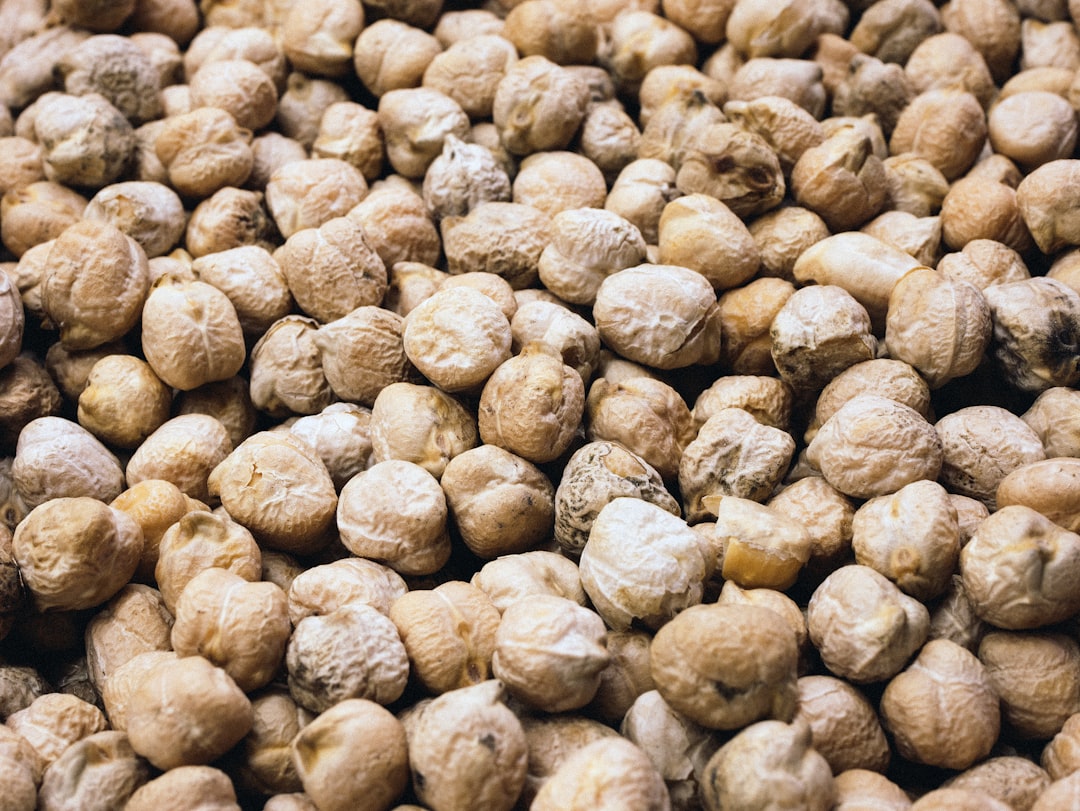
Sattu is a flour. In Bihar it is most often made from roasted black chickpeas, kala chana, the small dark-skinned variety of Cicer arietinum grown across the alluvial fields of Champaran, Nalanda, and Bhojpur. The chickpeas are dry-roasted in a heavy cast iron kadhai until they crackle and smell faintly of caramel, then hulled and stone-ground on a chakki into a soft beige powder. In Munger and parts of Jharkhand the same treatment is given to barley (Hordeum vulgare), and the resulting jau sattu is paler and sweeter on the tongue. Some households prefer a mix: two parts chickpea to one part barley, occasionally with a spoonful of roasted maize folded in. The powder keeps for months in a steel tin with a tight lid, provided the tin is kept away from the monsoon damp.
Why it cools
Ask any farmer in Rohtas why he drinks sattu at noon and he will not talk about calories or amino acids. He will say the drink thanda karta hai, it cools. The reasoning is old and quite specific. Roasted grain flour, mixed with cool water, sits heavier in the stomach than plain water and releases slowly through the afternoon. The chickpea protein and fibre buffer against the sudden rush of sweetness that comes with sherbets and colas, and the drink leaves no aftertaste of thirst. In a region where May temperatures regularly cross 42 degrees Celsius and shade is scarce, this matters.
Raw chickpea flour, besan, would sit in the stomach as a paste and turn sour in the heat. The roasting on the kadhai, done at a low steady flame for about 20 minutes, changes the flour completely. It becomes easier to digest and less prone to fermenting. The instinct to sit for a quiet, cold glass at a specific hour belongs to the same family of practices as the ginger, lemon and honey water of a north Indian winter kitchen or the fennel seed jug that sits on a Konkan coast counter, only inverted for the summer season.
The savoury glass
The ratio in most Bihari kitchens is straightforward. Two heaped tablespoons of sattu, about 30 grams, whisked into 200 millilitres of cool water. A pinch of black salt (kala namak), a quarter teaspoon of roasted cumin (jeera bhuna) crushed between the fingers, a squeeze of half a lemon, and a small handful of chopped coriander leaves. Some households add a slit green chilli or a tiny sliver of raw mango when it is in season. A cracked glass tumbler works. A brass lota works better.
- Measure 2 tablespoons (about 30 grams) of chickpea sattu into a tall steel tumbler.
- Pour in 50 millilitres of cool water first and stir into a smooth paste. This avoids lumps.
- Add the remaining 150 millilitres of water and whisk for 30 seconds.
- Add a small pinch of black salt, a quarter teaspoon of roasted cumin powder, and the juice of half a lemon.
- Stir in one tablespoon of chopped coriander and, if you like heat, one slit green chilli.
- Drink within 10 minutes, before the flour begins to settle again.
The sweet glass
The sweet version, called meetha sattu, replaces the salt and cumin with grated jaggery (gur), a pinch of green cardamom, and sometimes a spoon of milk if the household keeps a cow. Two tablespoons of sattu, one tablespoon of grated Bihar gur, 200 millilitres of cool water. Children get this at four in the afternoon after school. It sits somewhere between a cold porridge and a drink, and the jaggery gives it a faint smokiness that the white-sugar version never manages.
“My father used to say sattu was the only thing that let him work past two in the afternoon in June. He drank it standing at the pump, straight from the lota, without sitting down.” (overheard at a wedding kitchen, Chapra)
The litti-chokha connection
Sattu is not only a drink. The same flour, kneaded with mustard oil, chopped onion, garlic, ajwain, and salt, becomes the stuffing for litti, the fist-sized dough balls roasted over cow-dung coals or, more commonly now, in a gas oven. Litti eaten with chokha (mashed roasted brinjal, tomato, and green chilli) is the emblematic meal of Bihar, and at a wedding outside Patna in November you will almost certainly be served both. The drink and the dumpling share a base ingredient. A household that grinds sattu once a month uses half of it for glasses of ghol through May and June, and the other half for winter litti when the fields are cleared.
Other flours, other regions
Beyond chickpea and barley, sattu can be made from black gram (Vigna mungo, whole and roasted), from horse gram in some Jharkhand kitchens, and, in a lighter form popular around Varanasi, from a mixed grain that includes millet. Each behaves differently in water. Barley sattu whisks into a smoother drink but sits lighter in the stomach. Chickpea sattu holds its texture longer. Horse gram sattu has a slightly bitter, mineral finish and is often reserved for the hottest afternoons. The entry on Sattu at Wikipedia lists a handful of regional variations, though it does not quite capture how much a Bhojpuri glass differs from a Maithili one.
In the small stalls near Patna Junction, sattu ghol is sold in disposable cups for around 15 rupees, mixed to order in a steel bucket, the vendor stirring with a long-handled ladle and adding a squeeze of lemon in front of you. On a June afternoon at 44 degrees the queue is longer than at the tea stall next door.
What to watch for
Sattu that has been ground too coarsely will not whisk properly and will settle at the bottom of the glass in a stubborn wet lump. Sattu that has been stored in a damp cupboard smells faintly musty and should be discarded. And sattu whisked into water that is too cold, straight from the fridge, will not hydrate properly: the ideal water sits at around 18 to 20 degrees Celsius, cool but not chilled. In older homes the water was drawn from an earthen matka on the veranda floor, which held it at exactly that temperature through the day.
Common questions
Can I drink sattu every day through the summer?
In Bihar and eastern Uttar Pradesh many farmers do exactly that, one glass at noon and often another at four in the afternoon. If you are not used to the density of the drink, start with one glass every second day and see how your stomach settles. A single glass carries roughly 6 to 7 grams of plant protein and a good amount of fibre, which some people find heavy at first.
What is the difference between sattu and besan?
Besan is raw chickpea flour, ground from split chickpeas without any roasting. Sattu is made from whole roasted chickpeas (usually kala chana), hulled after roasting and then ground. The roasting changes the aroma and the digestibility completely. Besan cannot be substituted directly for sattu in a summer drink: it will taste raw and sit poorly in the stomach.
How do I store sattu at home?
Keep it in a dry steel or glass tin with a tight lid, away from the stove and away from any surface that catches monsoon damp. Well-stored sattu holds its aroma for about three months. If you notice a musty smell or pale grey specks, discard the batch and grind fresh.
Can I make sattu at home without a stone grinder?
Yes. Dry-roast 250 grams of kala chana in a cast iron kadhai on a low flame for 20 to 25 minutes, stirring often, until the skins loosen and the chickpeas smell of caramel. Cool completely. Rub the skins off between your palms and winnow them. Grind in a domestic mixer-grinder on the highest setting for one minute at a time, letting the machine rest between runs. The powder will be a shade coarser than a chakki grind, but it works.
Why does my sattu ghol taste chalky?
Two common reasons. Either the ratio is off (too much flour to too little water, try 2 tablespoons to a full 200 millilitres) or the sattu was not stirred long enough into the first splash of water before the rest was added. Whisk the flour into just 50 millilitres of water first to a smooth paste, then add the remaining water. The chalkiness usually disappears.