The early dinner tradition: light evenings in old households
In many old households the evening meal ended before the lamps were lit. A small, almost forgotten practice that shaped the rhythm of village nights.
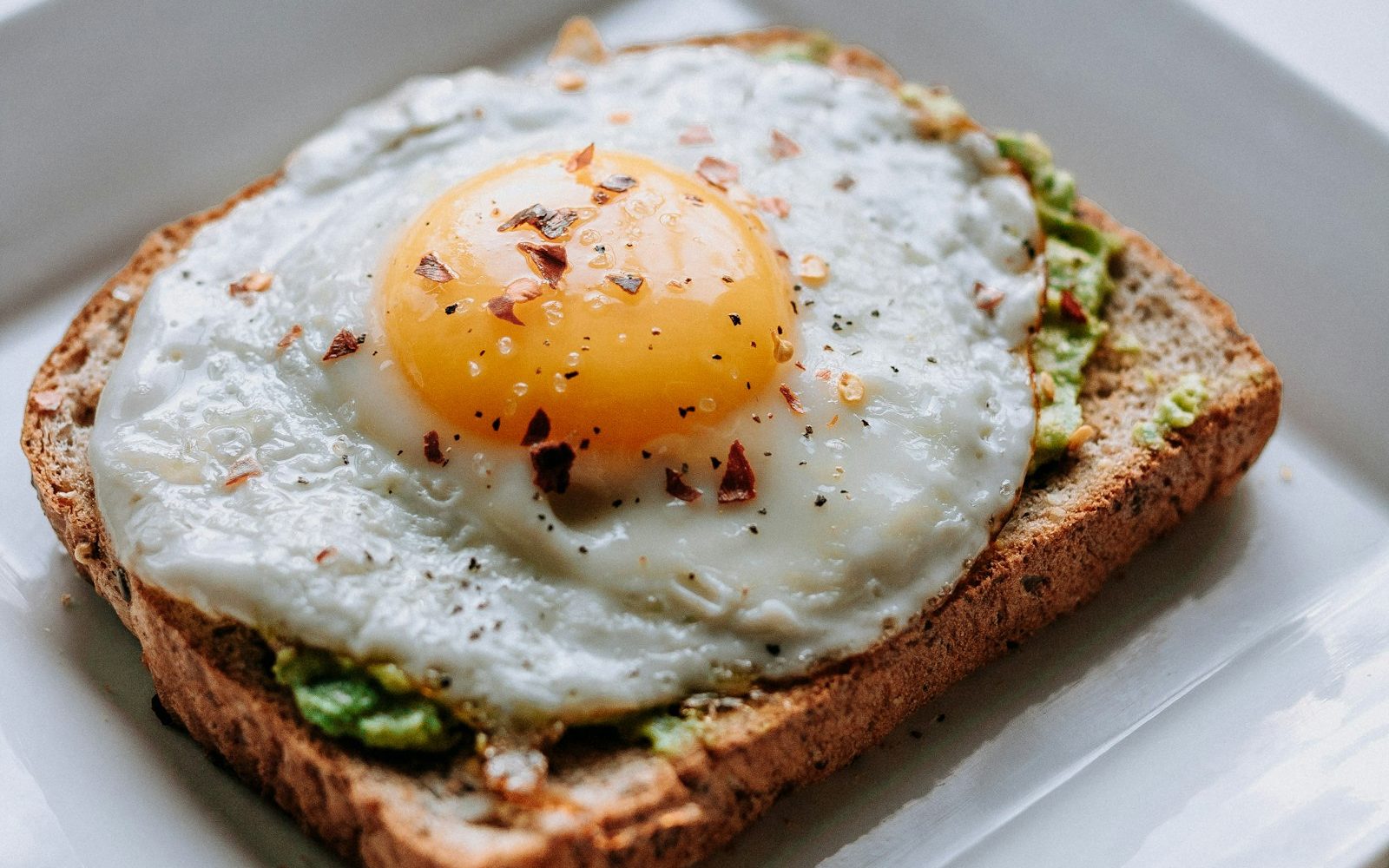
In my mother’s village in Calabria, the kitchen lamps went out by seven. Dinner was eaten while the light was still in the sky, often a single dish, a small plate of pasta, some bread, a tomato cut in slices. By the time the cicadas began their evening chorus, the dishes were already washed, the kitchen towel folded, the chair pushed in. The night that followed belonged to conversation, perhaps a short walk, and an early sleep.
This rhythm, an early light dinner followed by a long evening, has slowly disappeared from modern life almost everywhere. In its place we have late, heavy meals, often eaten in front of screens, often after long workdays. The cost is invisible in any single day but adds up over years.
What old kitchens understood
The traditional Italian, Greek, North African, and Indian household all shared, in different forms, a sense that the evening meal should be light and early. The reasoning varied by culture but converged on similar conclusions. In Ayurvedic households, the digestive fire was thought to weaken after sunset. In Mediterranean villages, the heavy meal of the day was lunch, and dinner was a quieter affair.
Across all these traditions, the dinner was finished early enough that the body had time to digest before lying down. Three hours was a common rough guide, though no household had a stopwatch. The instinct was simply that you did not go to bed full.
The shape of the evening
An early dinner changes the whole evening, not just the meal. With food finished by seven or so, there is space for a long walk, for reading, for sitting on the doorstep talking with neighbours. The Indian custom of walking after meals was made possible by the early dinner. The Italian passeggiata, the slow evening stroll, was the same idea in a different language.
Modern late dinners simply do not allow for this. By the time the meal is finished at nine or ten, the body is ready to sleep, not walk. The evening collapses into immediate bed, and the digestion happens horizontally rather than vertically. Old households understood this without needing to articulate it.
“In our village a heavy plate after dark was a plate eaten twice, once at night and again in your dreams.”
From a Calabrian household saying
What was on the plate
The early dinner was almost always lighter than the midday meal. In Italian villages, it might be soup, a small portion of pasta, or bread with vegetables. In Indian households, it could be khichdi, a simple lentil and rice dish, or chapati with a vegetable. In Japanese homes, a small bowl of rice with miso and pickles. In North African kitchens, a piece of bread with olive oil and za’atar.
The shared quality is that the dinner did not ask much of the body. It was easy to digest, gently warming, and small enough to leave room for a walk after. Heavy meats, fried foods, and rich sauces belonged to lunch or to celebrations, not to ordinary weekday evenings.
The slow disappearance
The early dinner faded with the rise of long workdays, evening commutes, and the modern assumption that dinner is the main meal. In most cities now, the rhythm is reversed. Breakfast is small, lunch is grabbed on the run, dinner is the elaborate event of the day. The body did not vote for this change. It simply adapted, with consequences that are mostly invisible day to day.
A few cultures still hold on. Spain eats late but lightly. Some Indian families still have dinner before sunset on certain days of the week. Japanese homes often keep dinner small and early. The pattern survives in fragments.
The cultural cost of late eating
When dinner moves late, several traditions die with it. The evening walk disappears. The family conversation disappears. The slow reading hour disappears. The early sleep disappears. In their place comes television, scrolling, and a sleep that arrives heavy and disturbed.
The early dinner is not, on its own, a remedy for any of this. But it opens a door. With food eaten light and early, the rest of the evening can be reclaimed for the small rituals of comfort that older households built around it. The meal is the first domino. The rest of the evening falls into place behind it.
A small return
I have, over the last three years, slowly moved my own dinners earlier. Six thirty in winter, seven in summer. The meal is small. The plate is single. The evening that follows is unrecognisable compared to the one I used to have. There is time to walk, to write, to sit with tea, to sleep without indigestion.
None of this is mine. It is borrowed from my mother’s village, from grandmothers in cities I have only visited, from kitchens whose names I never learned. The instinct is older than I am. The plate is the same. Only the kitchen has changed.
The first weeks of shifting dinner earlier feel awkward, like wearing a coat that does not quite fit. Friends invite you out at eight. Family routines resist. Then, slowly, the new shape settles. Hunger arrives at the new time. Sleep arrives more easily. The body, without comment, agrees. By the third month, the old late dinner feels like the strange one, and the early plate feels like the way the evening was always supposed to be.