Cinnamon bark in warm water: a cold-season comfort
On the simple cup of cinnamon-infused water made in cold-season kitchens from Sri Lanka to the Levant, and the small distinctions worth knowing.
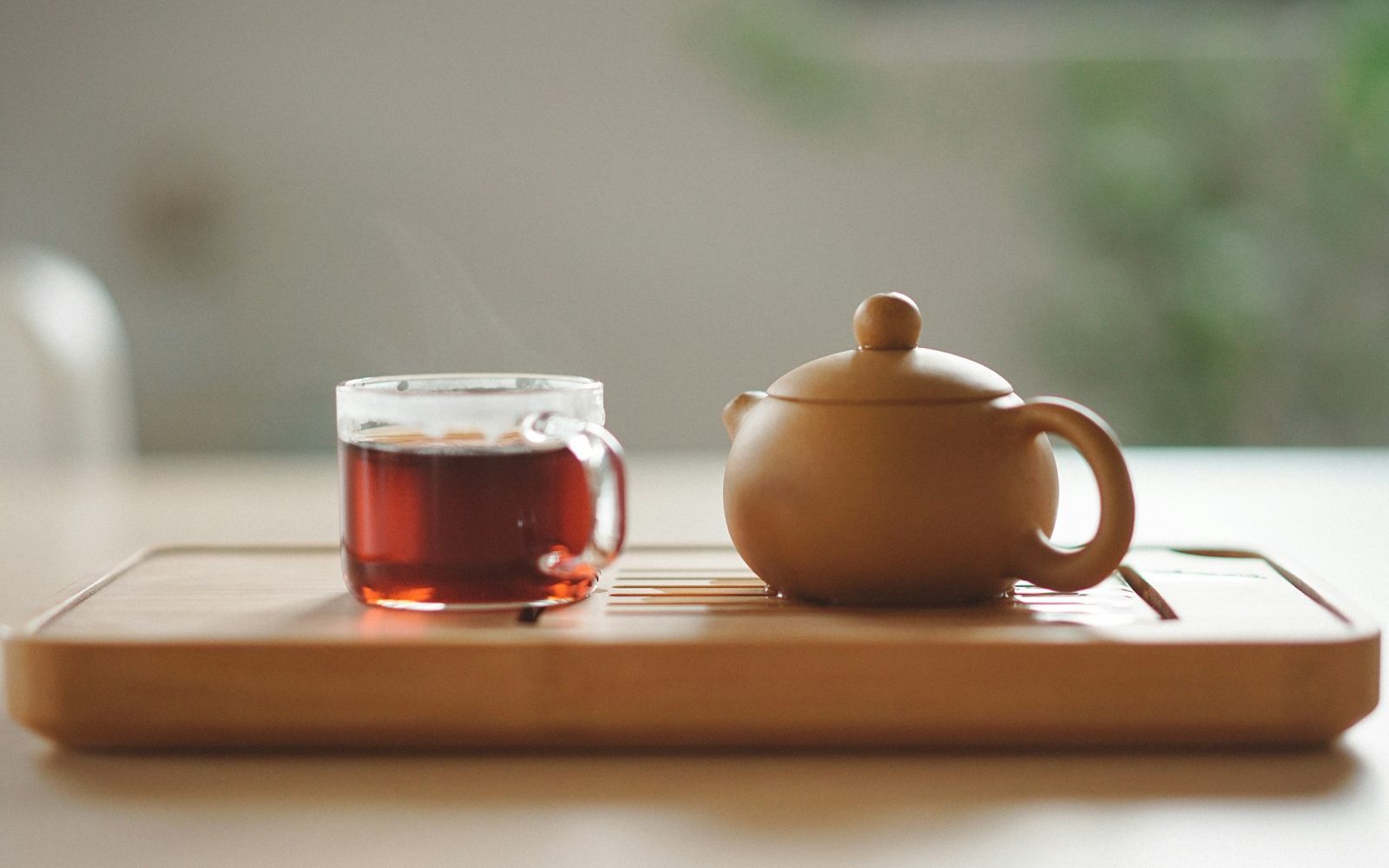
A small piece of cinnamon bark, perhaps the size of an adult thumb, sits in a glass mug of hot water on a wooden tray. It has been there for about ten minutes. The water has turned the colour of weak tea, slightly amber, with a thin film of oil from the bark drifting on the surface. The smell is warm, sweet, slightly woody, and reaches across a room.
This is one of the simplest hot drinks that exists. There is no leaf to measure, no spice blend to balance, no milk or sweetener required. A piece of bark, hot water, and patience. It appears in some form in winter kitchens across Sri Lanka, Egypt, Mexico, India, Lebanon, and most of the Mediterranean. Different households add different things. Almost all of them keep the core simple.
The two cinnamons
Before discussing the drink, the distinction worth making: there are two main cinnamons in commerce, and they are not the same plant. True cinnamon, Cinnamomum verum, comes mostly from Sri Lanka. Cassia, Cinnamomum cassia or its near relatives, comes mostly from China, Vietnam, and Indonesia. Both are dried inner bark from related trees. The flavour and structure are different.
Ceylon (true) cinnamon is paper-thin, tan-coloured, and rolls up into delicate quills that crumble between the fingers. It tastes sweeter, more floral, with less heat. Cassia is harder, darker, often a single thick curl rather than a multi-layered quill. It tastes stronger, sharper, more aggressively cinnamony, and is what most of the western world sells as ground cinnamon. Both can be used. For a long simmer in water, Ceylon is gentler and arguably more pleasant; cassia is more assertive and stains the cup more deeply.
The simplest preparation
One small piece of cinnamon bark, perhaps three or four centimetres long, in two cups of water. The water is brought just to a boil and then simmered very gently for five to ten minutes. The bark is left in the cup or removed, depending on preference. The result is a clear amber liquid, faintly sweet, slightly oily on the surface, with a clean cinnamon character.
That is the entire household recipe. Some kitchens add a clove or two, or a thin slice of fresh ginger, or a small piece of orange peel. In the Mexican version, particularly in winter, a small amount of unrefined sugar called piloncillo and a few cloves give a slightly darker, sweeter drink called te de canela. In some Lebanese households, a single dried bay leaf is added for a deeper, more herbal character.
“My mother kept the cinnamon stick in the same drawer as the matches. Both were for cold nights. Both started small fires of different kinds.” (recorded from a household in Aleppo, 2014)
The drink and the cold season
In most of the cultures where cinnamon water is a household staple, it is a winter drink. The aroma is warming. The flavour suits cold weather, blankets, the slow part of the year. It is rarely made in summer.
In Sri Lanka, the original home of true cinnamon, the bark is so common that it is used freely in cooking and tea is sometimes made from broken pieces of cinnamon that are too small to sell as quills. In Mexico, te de canela is the closing drink of cold evenings, especially in the highlands. In the Levant, the drink sometimes appears at the table during winter Lent or in the days around it.
The cup’s small uses
In many homes, cinnamon water sits in a place similar to where chamomile sits in European kitchens. It is the drink one offers a guest who comes in from the cold. It is the cup one makes for a child whose nose is starting to run. It is the small thing one prepares for oneself at the end of a long winter day, when the body asks for something warm and uncomplicated.
Readers familiar with our broader writing on comfort and relaxation rituals will recognize the pattern. Many cultures have one simple drink that does this job in cold weather. Cinnamon water is among the most widespread of them.
Variations and small additions
In Indian households, cinnamon is more often part of a larger spice blend (the masala chai we discussed in our note on slow morning chai) than a solo drink. The plain cinnamon water is less common in India than in some other regions, though it appears in some south Indian homes during the cool early morning hours of the brief winter.
In the Levant and Greece, the drink is sometimes called sahlab when it is made thicker with milk, but plain cinnamon water (sometimes called qirfa in colloquial Arabic) is a separate, simpler preparation. In Egypt the drink is occasionally taken at the end of the evening as a quiet alternative to coffee, particularly during Ramadan when caffeine is being moderated.
How long the bark holds
A single piece of cinnamon bark can usually be reused two or three times. After each cup, the piece can be set aside on a clean plate and used again the next day, simmered for a slightly longer time to compensate for the lost intensity. After three uses, the bark is generally spent. It can be discarded or used to scent a drawer for a few weeks.
Whole sticks, stored in a sealed jar, keep their flavour for at least a year. They begin to fade after about eighteen months. Ground cinnamon, by contrast, loses noticeable character within three to four months once the package is opened. For the water preparation, whole bark is strongly preferred. The cup made from ground powder is cloudy and slightly bitter.
The drink and other warm spice cups
Cinnamon water belongs to the broader family of warm spice cups that appear in cold-season kitchens worldwide. It is structurally similar to the simple ginger water that some traveler’s cup of ginger, lemon, and honey traditions are built on. The methods overlap: a single ingredient, hot water, a brief steep, a slow drink.
For readers building a quiet winter shelf of warm-water drinks, our broader herbal drinks section has several pieces on related preparations. Cinnamon water is perhaps the easiest to start with, because it requires only one thing in the cupboard and very little technique.
A quiet word of care
Cassia cinnamon contains coumarin, a compound that in very large daily quantities over long periods may not suit certain liver conditions or interact with particular medications. Ceylon cinnamon has very little coumarin and is generally considered safer for daily use. Anyone pregnant, on regular medication, or with liver concerns will reasonably want to lean toward Ceylon and to speak with a qualified practitioner before making cinnamon water a daily winter habit.
The mug is empty now. The bark, on a clean saucer, is set aside for tomorrow. The wind outside, against the window, has not stopped. The kitchen is warm enough.
Should I use Ceylon or cassia cinnamon?
Can I reuse the cinnamon bark?
Can I make this drink with ground cinnamon?
The wind, outside, keeps going. The cup, inside, has finished. The bark, dry and patient, waits for tomorrow night.