Autumn warming: when the kitchen turns up its heat
The slow turn from summer to winter, told through the slow stove, the longer braise, and the first warm spices of the year.
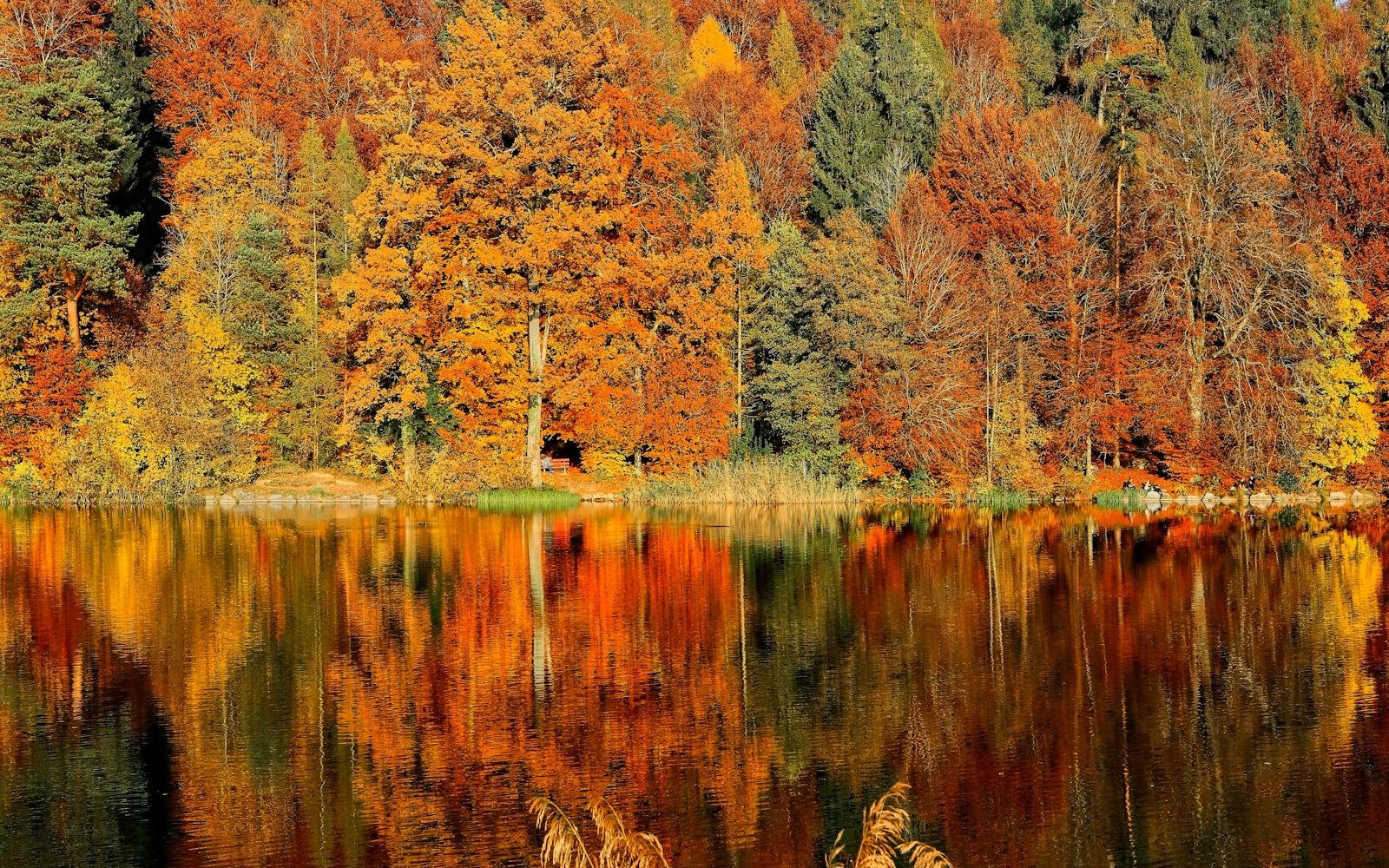
The first chestnut man appeared on the corner of Via Belfiore yesterday evening. I had not seen him since March. He nodded as I passed, the way he always does, and I went home with a small paper cone of the still-hot chestnuts in my pocket, peeling them as I walked. By the time I reached the apartment building, the smell of the season had already made it onto my coat.
This is the moment every autumn when something changes in the kitchen. Not all at once. A small shift in what I reach for first. The cold extra virgin olive oil moves to the back. The terracotta pot, which has been sleeping on the high shelf since May, comes down. The oven, mostly idle through July and August, begins to be used again in the late afternoon.
What the season pulls forward
Autumn in northern Italy is not a sudden affair. It begins with single cold evenings in late September, runs through long warm days in October that pretend nothing is changing, and only by the first week of November does the household genuinely accept that summer is over. The garden, the windowsills, and the bowl on the kitchen table all change accordingly.
What appears in that bowl is the visible sign of the new season. Walnuts in their pale shells. The first hazelnuts. A small heap of late figs, still warm if you have brought them home from the market in midday. A pomegranate or two, kept for the moment when you decide to begin. The kitchen begins to look browner, deeper, more inclined to slow heat.
The slow stove returns
The most important shift, for me, is the return of the slow stove. Summer cooking is fast, often eaten cool, often barely touched by fire. Autumn cooking is the opposite. A pot goes on at four in the afternoon. The ingredients are added in order. The flame is small. By seven, the kitchen smells of bay leaves and pork fat and red wine, and a thin film of warmth has spread through the rooms.
My mother made a simple ragù every Saturday from the first cold week of October until Easter. She would brown a single onion, add a small amount of finely chopped pancetta, then a mixture of beef and pork, then half a glass of wine, then crushed tomatoes, then a single bay leaf. Then she would leave it. Three hours later, the sauce had turned dark and silky, and the whole apartment had the smell of every winter I can remember.
Spices that move closer to the front
Italian cooking does not lean on the heavy spice rack of South Asia, but autumn brings its own small palette forward. Black pepper, of course, in heavier turns of the mill. The first cinnamon, mostly for sweet things but also in a small dish of braised quince to be eaten with cheese. Nutmeg, grated fresh over a bowl of buttered pasta or into the bechamel of a winter lasagne. And the dried chilli, which has been politely waiting on the shelf since spring.
This is the moment when the spice tin gets refilled. I throw out the old peppercorns, which have lost their edge by now, and buy a fresh small bag from the herb shop near Piazza delle Erbe. A new cinnamon stick, a fresh knob of dried ginger, a few star anise for a single Sunday afternoon when I might make mulled wine. The kitchen is preparing for the long, slow season ahead.
“Autumn does not ask for new recipes. It asks for the older ones, made more carefully.”
The bread becomes serious
Bread in summer is whatever fits the meal. Bread in autumn is its own subject. The starter that has been sleeping in the fridge through August is fed twice a day for a week. The first proper loaves come out of the oven by mid-October, rye and walnut, dark and dense, eaten with butter and a thin slice of mountain cheese at four in the afternoon.
If you do not bake, this is the season to find the bakery whose bread you trust and to walk there twice a week. A good slow loaf, a small piece of aged cheese, a glass of new red wine, and the season has begun. It does not need anything else for an entire evening.
Drinks that hold the temperature
The drinks of autumn are the in-between drinks. Summer’s cold water with lemon is gone, and the deep winter mulled wines have not yet arrived. What sits well in October is the warm infusion. A small pot of water on the stove, a piece of dried orange peel, a thin slice of fresh ginger, a single clove. Five minutes on a low flame, then poured into a small cup with a teaspoon of honey.
I drink this at four in the afternoon, when the light has begun to thin and the apartment is just slightly cool. It is one of the simplest herbal drinks in the household, and it does what the season is asking: it warms gently without overwhelming. The deeper winter cups can wait.
The pantry turns dark
By the end of October, the pantry in a careful household is mostly brown and gold. Dried beans in their glass jars: borlotti, cannellini, lentils. Polenta in a paper bag, ground coarse, ready for a Sunday lunch with a sausage and a spoon of cheese. Walnuts and hazelnuts in small bowls. Rice, of course, for the risottos that will carry us through November.
This is the time to take stock. Old jars of last year’s preserves are finished or given away. New ones are made: quince paste, fig jam, the small jars of mostarda that will sit on the cheese board through winter. The shelves are not crowded; they are organised. A pantry that knows what it has is a pantry that cooks well. You can read more about how households shift their grain choices through the year in our piece on grain rotations.
One long Sunday lunch
The Sunday lunch in autumn is the meal that marks the season. The table is laid earlier than in summer. The candles are lit by three in the afternoon. The pasta is something slow: a baked dish with cheese and beef, or a deep tray of polenta with a mushroom ragù. The wine is a young red, still slightly cool from the cellar. The dessert is a single thin slice of nut cake, served with a small glass of grappa.
This is not a feast. It is a long, quiet meal, with the family or with two or three close friends, that runs from one in the afternoon to five or six in the evening. By the end of it, the season has been properly welcomed, and the household is ready for the deeper months. It pairs well with the slower rhythms in our piece on comfort and relaxation rituals for the cooler half of the year.
By dusk, the windows are misted with kitchen warmth, and someone is reaching for a second slice of cake.