Mindful eating: the slow Ayurvedic plate
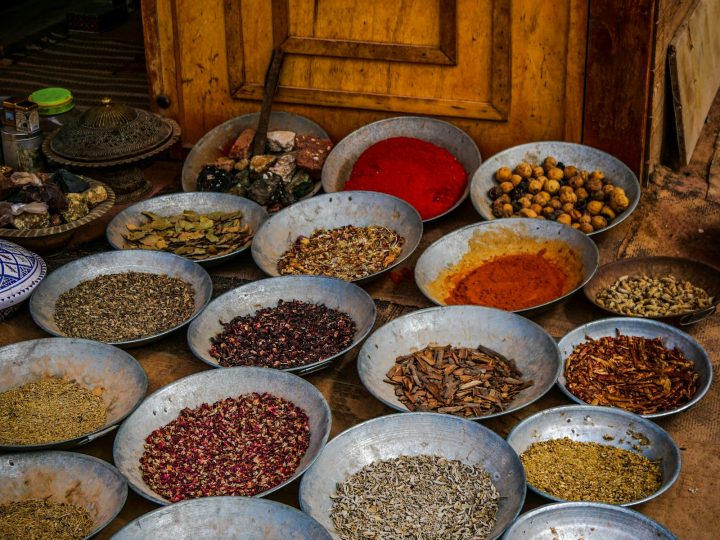
A picture of the slow Indian plate, where eating is treated as its own time and not as background to something else.
There is a small steel plate in my parents’ kitchen, slightly dented at the rim, that has eaten more meals with me than any person. It is the plate I was given at six years old when I graduated from a bowl. It is the plate I ate from in college during exam weeks, when I was barely awake. It is the plate I still use when I visit. It has a shape my hand recognises in the dark.
This is the kind of small, almost invisible detail through which the older Ayurvedic idea of mindful eating actually lives in Indian households. Not as a meditation technique, not as a wellness exercise, but as a slow, almost unconscious habit of treating the plate as its own moment. The slow Ayurvedic plate is less a method than a long inheritance.
What the older texts actually say
Classical Ayurveda discusses eating with surprising care. The texts comment on the size of the meal, the temperature of the food, the company at the table, the speed of eating, the mood of the eater, and even the cleanliness of the room. The idea is straightforward: digestion is described as a process the whole self participates in, not just the stomach, and the conditions around the meal are part of the work.
Some specific recommendations recur: eat fresh, warm food at steady hours, do not eat when very upset or distracted, sit down to eat rather than stand or walk, chew without hurry, and pay quiet attention to what is on the plate. None of this sounds revolutionary. Most cultures with a long agricultural memory say something similar in their own way.
A short, soft note
What follows is a cultural sketch of how an old idea looks in everyday Indian kitchens, not a clinical recommendation. If you live with any condition that affects eating, including digestive complaints, allergies, or eating disorders, please speak with your doctor first. A qualified Ayurvedic practitioner can advise on how these older ideas might be adapted for your specific situation. The version on the page is meant simply to describe a tradition, not to prescribe a practice.
The shape of the slow plate
An Indian thali, the round metal plate with several small bowls around a central serving of rice or bread, is a useful image for the slow Ayurvedic plate. The plate contains a few different things at once: a grain, a dal, a vegetable or two, a small pickle, a yoghurt, sometimes a sweet. The eater chooses one combination at a time, eats slowly, and rests between mouthfuls. The meal can stretch comfortably over twenty or thirty minutes.
The variety on the plate is not random. It is the older Indian way of putting several of the six tastes together in one meal, so that no single flavour dominates and the eater feels naturally satisfied. The slow plate, in that sense, is partly an architectural choice and partly a tempo. Together they make eating its own pleasant chore.
Sitting down to eat
One of the smallest, most underrated parts of mindful eating in Indian households is the simple act of sitting down. Eating standing up, walking, or working at a desk is treated with mild disapproval in most older homes. The plate is meant to find a table or a low cloth on the floor. The body is meant to be seated. The hands are meant to be free.
This is not about ceremony. It is about attention. A meal eaten standing is a meal half noticed. A meal eaten sitting, with both hands at the plate, is a meal that registers properly. The Indian Ayurvedic tradition and the older Italian, Japanese, and North African ones agree on this without anyone needing to convene.
“Eat as if the food were a guest in your house. Stand for it. Sit for it. Do not chase it down the hallway with a fork.”
Eating without the screen
The single most useful adjustment a modern beginner can make is to remove the screen from the meal. Phone face down. Laptop closed. Television off. The plate is given to the meal, and the meal is given to the plate. This sounds austere, but in practice it is the opposite. Without the screen, food tastes more present. Conversations, if there is company, become real. Hunger lifts when it is supposed to lift, not three episodes later.
Older Indian households kept this naturally because they had to. There were no phones to put down. The discipline now is conscious, and it can be hard the first week. By the third week, the screenless meal becomes its own quiet pleasure. The slow Indian plate has been doing this for centuries.
Chewing without hurry
The first three bites
Old Ayurvedic guidance pays particular attention to the first three bites of a meal. The eater is asked to slow down, taste them properly, and let the body register that food is arriving. Many people, given a chance, find that the rest of the meal naturally calms after this. The first three bites set the rhythm.
Stopping before stuffed
Another older instruction, repeated across cultures, is to stop eating slightly before full. The classical Indian idea is to leave a small space in the stomach, often described in cooking-room language as “two parts food, one part liquid, one part air.” This is a felt judgement, not a measurement. Eating slowly makes it easier to notice when the moment has come.
The plate inside the wider rhythm
The slow plate sits inside a wider pattern that includes eating food warm, resting after meals, and steady mealtimes. Without those other pieces, the slow plate feels like a chore. With them, it becomes the natural centre of the day. The wider traditional food practices section has more on how these elements fit together in different cultures.
The older Indian meal also pays attention to who is at the table. Eating with people you genuinely like is part of the architecture. Eating alone in a quiet room is the next best option. Eating with people who exhaust you, or while in the middle of an argument, is treated as a thing to avoid where possible. The meal is the body’s moment of welcome, not its battleground.
A practice that travels
The slow plate is one of the more transportable Ayurvedic ideas. You do not need Indian food, Indian utensils, or an Indian kitchen to use it. The principles are simple: sit down, put the screen away, eat warm food slowly, taste the first bites carefully, stop a little before full. Any cuisine, in any country, in any kitchen, can take this shape.
The steel plate at my parents’ table has been carrying these principles, without anyone naming them, for forty years. The food on it changes by the day. The plate itself, dented and familiar, does not. It is patient. It waits. And every time I sit down with it, I am reminded that the slowest part of the meal is usually the part that feeds you the most.
A meal eaten slowly is a meal eaten twice.