Yuzu-yu and the herbal-flower bath
On Tōji, the winter solstice, Japanese bathhouses float whole yuzu in the tub. A quiet look at flower and herb baths, from Kyoto to Kerala.
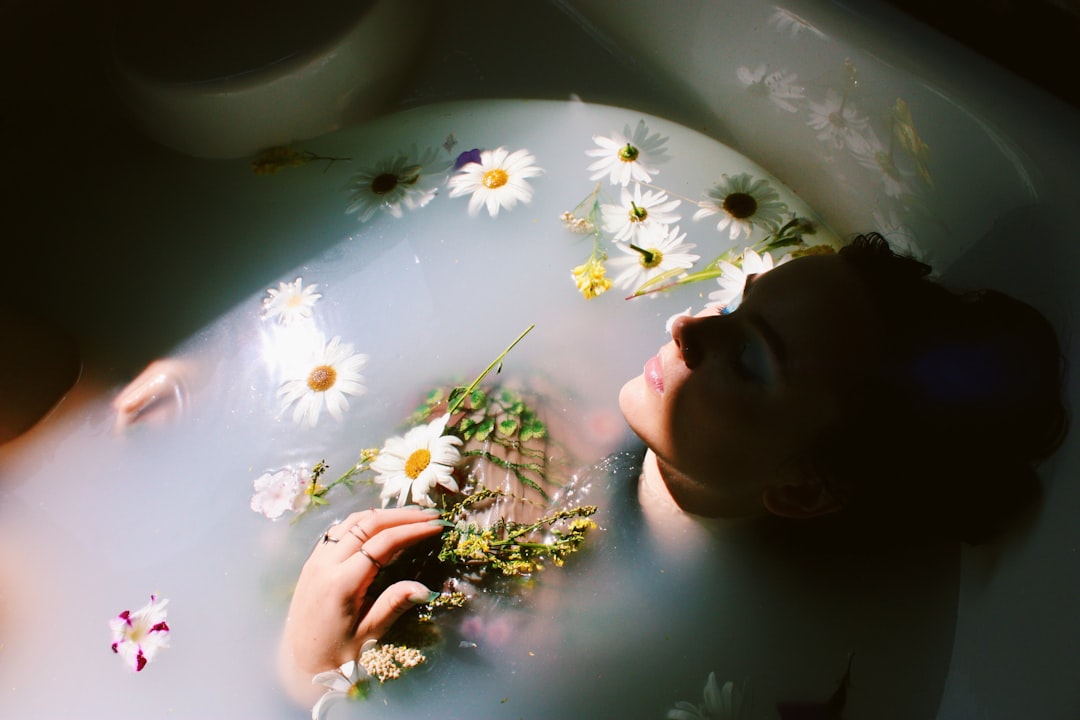
On the shortest day of the year, in the older neighborhoods of Kyoto and Osaka, the public bathhouses float whole yellow fruits in their tubs. The fruit is yuzu, Citrus junos, a knobbled, thick-skinned citrus that smells of grapefruit and pine and something faintly floral, like a lemon that spent its youth in a cedar forest. The bath is called yuzu-yu, and it is drawn on Tōji, the winter solstice, which falls on December 22 in most years.
My friend’s grandmother in Kanazawa still keeps to the ritual. She buys six or seven yuzu at the greengrocer the morning of Tōji, rolls them between her palms to bruise the rind slightly, and drops them whole into the ofuro in the late afternoon. The water is hot, close to 40°C, and the fruits bob about like small suns. She soaks for fifteen minutes. Then she gets out, dries herself, and eats a bowl of kabocha squash simmered in dashi. The bath and the squash are meant to see her through the cold months without catching a fever.
She is 83. She has never had the flu.
The bath as an object of care
A flower or herb bath is not a soap-and-scrub affair. It is a soak. The washing, if there is any, happens beforehand. In Japan you rinse and scrub at the wooden stool outside the tub, and only then step into the water, which is not for cleaning but for warming and thinking. This is the same logic that governs the hot bath traditions across cultures, from the Finnish sauna cool-down plunge to the Turkish hammam’s marble slab.
The yuzu-yu is one strand of that longer thread. There are others.
In Istanbul, after a woman finishes her hammam session, an attendant sometimes scatters rose petals across the surface of a small tub of warm water for a final soak. The rose is usually the Isparta variety, Rosa damascena, grown in the highlands south of Ankara where the summers are dry and the nights cold enough to concentrate the oil. The petals are used fresh in June, dried the rest of the year. A handful, no more. This is the hammam’s slow finish, the pause before dressing.
Along the Konkan coast in Kerala, a marma practitioner might prepare what the household simply calls a “flower bath” before a wedding or a naming ceremony. Dried jasmine (Jasminum grandiflorum), dried rose, dried tulsi leaves, and sometimes a few threads of vetiver root are tied inside a square of soft muslin. The bundle is dropped into a large brass pot of water heated over a wood fire, then poured, warm and fragrant, from a smaller vessel over the shoulders of the person bathing. Warm oil, usually a sesame base infused with hibiscus or brahmi, is rubbed into the scalp first. The pouring bath follows.
“You do not put a girl into a bath of cold flowers. The flowers must have been warmed by the water, and the water must have been warmed by fire. That is three warmths. Then she comes out ready.” (overheard from an elderly aunt at a house preparation in Alappuzha)
What actually goes in the water
The temptation, if you have only ever met a bath through bath bombs and drugstore aisles, is to reach for a bottle of essential oil. Resist this. A few drops of pure essential oil in an undiluted tub can cause skin sensitization, particularly with citrus oils, which are photosensitizing. The Wikipedia entry on yuzu notes the fruit is used whole in the bath precisely because the peel releases its oils slowly and in modest quantities, buffered by pith and pulp. The whole fruit is its own dilution.
Some practical additions that behave well in a hot tub of water:
- Whole citrus, bruised gently. Yuzu is traditional in Japan; a Meyer lemon or a small pomelo will do a decent job elsewhere. Five to seven fruits for a standard tub.
- Dried rose petals, one small handful (about 15 grams), loose or in muslin. Damascena or centifolia varieties are the fragrant ones.
- Dried jasmine flowers, a smaller handful. Powerful. A little goes a long way.
- Dried chamomile heads (Matricaria chamomilla), two heaping tablespoons in a muslin bag, for a hay-honey scent.
- A palm-sized bundle of fresh rosemary or a few sprigs of lavender, tied with kitchen string so you can lift them out later.
- A cup of Epsom salt or plain sea salt, if you like the mineral drag on the water.
What not to add: undiluted essential oils, ground herbs that will clog your drain, anything you cannot afterward fish out of the tub with your fingers.
A simple herbal bath, start to finish
- Rinse first. Shower briefly with plain water and a mild soap, five minutes, so the tub itself stays clean.
- Fill the tub to a comfortable depth, roughly two-thirds full. Aim for a temperature of 38 to 40°C. Any hotter and you cannot stay long; any cooler and the fragrances stay tight and closed.
- Add your botanical. Whole yuzu, a muslin bag of dried herbs, a fistful of rose petals scattered loose. Let the water sit two or three minutes so the aroma opens.
- Step in and settle. Water to the collarbone, arms floating. Breathe slowly.
- Soak 15 to 20 minutes. Longer than that and the skin softens too much; blood pressure can drop, especially if the water is on the hotter end.
- Stand up slowly. Very slowly. Rinse with cool water for ten seconds if you like the contrast, or simply pat dry with a rough cotton towel.
- Rest. Sit somewhere warm for at least fifteen minutes afterward with a cup of hot water or weak tea. Do not go straight out into a cold wind.
Yuzu, specifically, on Tōji
Tōji, the winter solstice, is a small festival in Japan rather than a major one. It is marked in the home rather than at the shrine. The yuzu bath (yuzu-yu) and the eating of winter squash (kabocha) are its two household gestures. The connection is partly linguistic: tōji also puns with a word for “cure hot springs,” and yuzu shares a syllable with “important thing.” Older Japanese folk medicine held that the citrus warmed the body from within, protected against colds through the coming three months, and cleared what earlier writers called “cold winds in the joints.”
Sento, the neighborhood public baths, still advertise their yuzu-yu on paper signs on December 22. In some larger sento the tub will hold thirty or more fruits, netted in cloth bags so they do not clog the filter. The water turns a faint yellow-green. The steam smells like a grove of citrus trees in November mist.
The quieter kin: a foot bath
Not every day calls for a full tub, and not every house has one. A herbal foot soak is the small sister of the flower bath, and in some ways more useful for daily life. The Japanese call it ashiyu. A wide basin, ankle-deep hot water, a slice of yuzu peel or a pinch of dried chamomile, twelve minutes. There is a longer tradition of this in the warm-water foot soak that turns up in almost every culture that has ever had cold winters.