A cold water splash on the face, first thing
In my aunt's house in Pune, the first sound of morning was not the pressure cooker but a soft slap of water. Ten splashes, sometimes twelve, before she spoke to anyone.
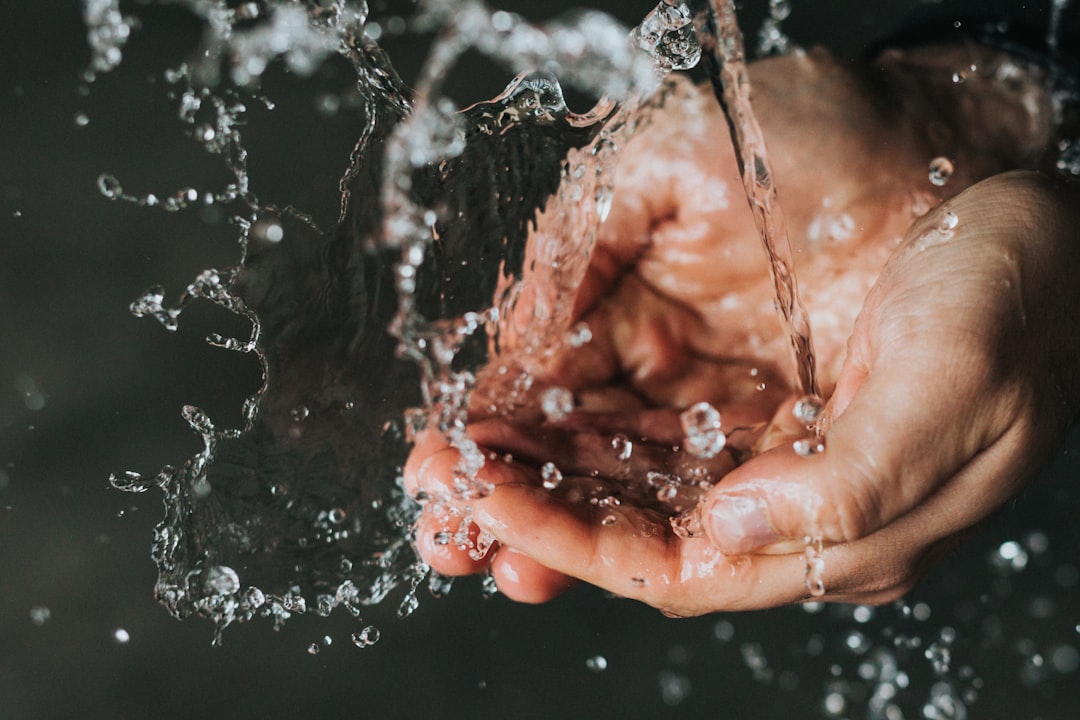
In my aunt’s house in Pune, the first sound of morning was not the pressure cooker or the milkman calling from the gate. It was a soft slap of water against skin. She stood at the copper basin off the back veranda and threw water on her face with cupped hands, ten times, sometimes twelve, before she spoke to anyone. The water came straight from the overhead tank. By six in the morning, even in March, it was cool enough to make you gasp on the first splash and grateful by the fourth.
This is one of the oldest daily habits still practiced, quietly, in kitchens and bathrooms from Kerala to Kyoto. Not a therapy, not a promise. A small return to the body before the day begins.
The temperature of the tap
Most household tap water, in temperate climates, sits at about 15 to 18°C first thing in the morning. In Marseille or Marrakesh in July, it can climb to 22°C by the time it reaches a second-floor apartment. In a New England farmhouse in November, it can dip to 8 or 9°C, cold enough that the first splash feels like a small shock across the forehead. The exact number matters less than the contrast. Facial skin sits at around 32 to 33°C. Anything below 20°C reads as clearly cold to the cheek. The gap between skin and water is what the body registers.
Iced water is unnecessary and, for many people, unpleasant. Water straight from the tap, at whatever temperature the pipes have settled into overnight, is enough.
Ten to fifteen splashes
Ten to fifteen is the count most old households settle on, without anyone writing it down. Fewer than that and the face has not really been touched. More than that and you begin to strip the small amount of night-time oil that sits on the surface of the skin. Ten, roughly: one for the forehead, one for each cheek, one for the chin, one along the sides of the nose, a few more for the areas that felt missed. It takes twenty seconds. It is done before the mind has finished remembering what day of the week it is.
The habit across four kitchens
In the French bourgeois morning of the nineteenth century, la toilette du visage was a specific ritual described in etiquette books like Baronne Staffe’s Usages du Monde. Cold water on the face was said to give bon teint, a good colour. Women kept a porcelain basin on a marble washstand, filled the night before so the water reached room temperature by dawn.
In Japan, the asa no senmen, the morning face wash, is often mentioned in the same breath as misogi, the older Shinto purification with cold running water at shrines and mountain streams. In domestic practice it is quieter: just a few splashes over the tsukubai basin in the garden, or the kitchen sink.
In Konkan and Kerala households, the splash is part of a longer sequence that begins with drinking a small tumbler of warm water first, which sits alongside the older habit of a warm cup of water before the kettle boils for tea. The cold splash comes after, tightening what the warm water has loosened.
Then there is wudu, the ritual ablution in Islamic practice, a formal cousin of the household splash. It includes the face, the hands to the elbows, a wipe over the head, and the feet, done before each of the five daily prayers. The gestures are prescribed and the intent is different, but the physical texture, cool water, cupped hands, repeated passes, is recognisable across every one of these traditions.
Ears, and the nape of the neck
In many South Asian households, the wash extends past the face. Water is scooped and passed over the earlobes, along the nape, sometimes at the base of the skull where the hair meets the neck. The skin there is thin, the blood vessels close to the surface. Cool water on that spot feels different from cool water on the cheek. It reads more like a small waking. An aunt in Ratnagiri once said it was for chatpat, a Marathi word closer to briskness than to energy.
The eye question
The trickier question is whether to open the eyes under the water. Some Indian schools include a practice called nayana dhauti, an eye wash, done with a small copper eye cup filled two-thirds with clean water at room temperature. The eye is placed against the rim, opened once, closed, and lifted away. Not cold, not tap-fresh, not repeated more than a few times.
This is not for everyone. People wearing contact lenses, anyone with a recent eye infection, anyone using medicated drops, should leave it alone. Municipal tap water carries chlorine and, in some places, small amounts of amoeba risk. If you want the cooling without the risk, a soaked cotton pad over closed eyes for a minute, or the older kitchen practice of cucumber slices with a drop of rosewater, is safer and just as pleasant.
Doing it, from tap to towel
The whole thing, done properly, takes less than a minute.
- Fill a small basin, or cup the hands directly under the tap. About 500 ml of water is enough for a full wash.
- Check the temperature against the inside of the wrist. If it makes the wrist flinch, it is too cold for the face.
- Splash once on the forehead. Pause. Breathe out.
- Splash five to seven times across the cheeks and jawline.
- Two splashes at each earlobe and one along the nape.
- Optional, and only with clean water and closed lids, one gentle splash over the eyes.
- Pat, do not rub, with a cotton or linen towel.
“The face wants cool water in the morning the way a fig tree wants a little rain. Not too much. Not from a hose. Just a handful, at the right moment.” (overheard at a household in Fez, near the Bou Inania madrasa)
When it does not sit well
Some mornings the practice does not sit well. People with active sinusitis often feel a sharp headache after cold splashes across the forehead. Rosacea can worsen with the sudden temperature swing rather than calm. In very dry-air climates, doing this fifteen times in a row without a barrier moisturiser afterward can leave the skin feeling stripped by ten. The habit is not universal. If the face feels tight and itchy an hour later, use fewer splashes, slightly warmer water, and pat with a soft towel instead of air-drying.
Chlorine can sting the eyes even with closed lids. A small ceramic jug of tap water left uncovered overnight lets most of the chlorine dissipate by morning. This is the same trick older tea households in Kyoto used before pouring water for green tea, and it works here too. This is the kind of small, physical care that older hand-washing rituals more than hygiene also carry: the difference between doing a thing and paying attention while doing it.
Nothing more than what it is
There is no claim to make. Cold water on the face does not cure anything and does not need to. It is a small, cheap, ancient way of announcing to the body that the day has begun. It costs nothing, uses about half a litre of water, takes twenty seconds, and asks for no equipment. Every culture with a morning has some version of it. My aunt is seventy-three now and still does hers at the copper basin, ten splashes, sometimes twelve, before she says good morning to anyone.
Common questions
Is it safe to splash cold water directly on open eyes?
For most healthy adults, a gentle splash on closed lids is fine. Opening the eyes under tap water is a different matter. Chlorine, hard-water minerals, and rare waterborne organisms make it a poor idea in many municipal systems. The traditional nayana dhauti uses a small copper eye cup and boiled-and-cooled water at room temperature, not cold. If you wear contact lenses or have any eye condition, skip it and use a soaked cotton pad instead.
What temperature should the water be?
Cool, not cold. Tap water at 15 to 18°C is comfortable for most people. Water below 10°C can trigger sinus headaches in sensitive people and can worsen rosacea flushing. If the temperature makes the inside of your wrist flinch on contact, warm it slightly by running the tap for ten seconds.
Does the cold splash help puffy morning eyes?
The tightening some people feel around the eyes after a cold splash is real but short-lived, about ten to twenty minutes. It works by briefly constricting surface blood vessels. It is not a treatment for chronic under-eye puffiness, which usually points back to sleep, salt intake, or something a clinician should look at.
Should I splash before or after brushing my teeth?
Most household traditions do the splash first, before any speech, before the toothbrush. This is habit rather than rule. If you brush first and splash after, nothing is lost. The point is doing it before the phone, before the news, before anything that pulls attention outward.
Can I use filtered water instead of tap water?
Filtered water is fine, and for any eye rinse it is actually recommended. For the face splash itself, tap water is what most kitchens have always used. If your municipal water is heavily chlorinated, leave a small jug of it uncovered overnight. Most of the chlorine dissipates by morning. If your water is very hard, an occasional oil-based rinse afterward can prevent tightness.