Chaas: the buttermilk glass with roasted cumin
A thin, salted, cumin-scented buttermilk drunk after lunch in Gujarat, Rajasthan and Maharashtra. The ratio, the churn, the copper tumbler, and when to skip it.
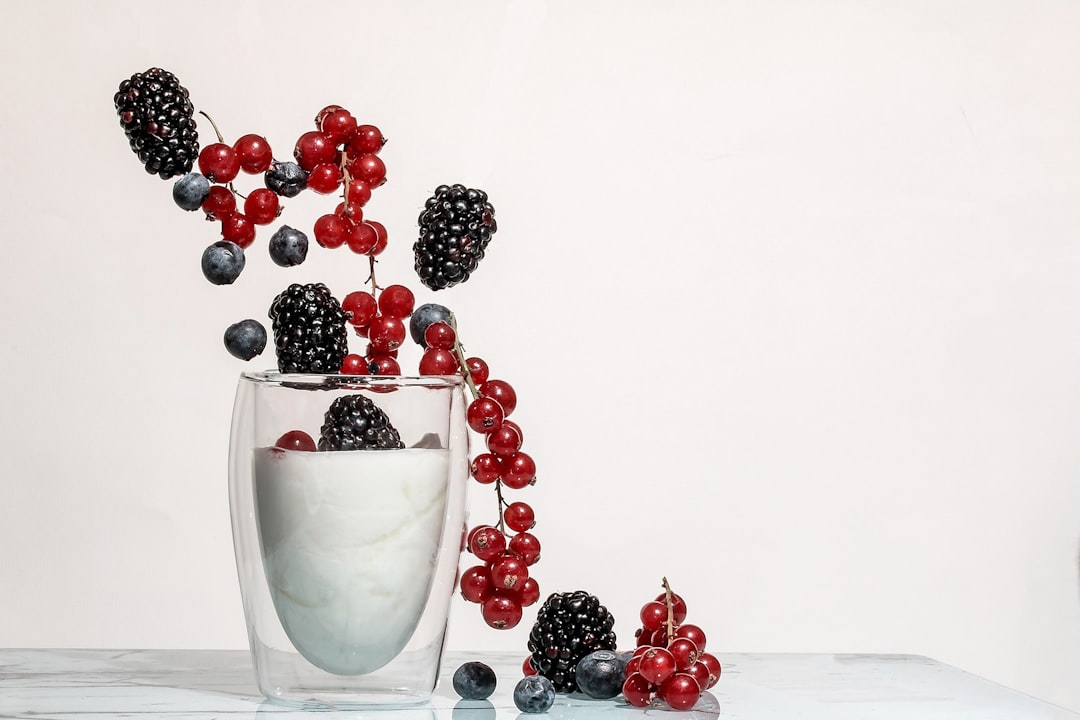
In my aunt’s kitchen in Ahmedabad, the last thing that happens after lunch is the sound of a small wooden churn tapping the inside of a steel tumbler. Tak, tak, tak. A quick froth builds. She pours it into two tall glasses, sprinkles something dark on top, and hands one to me without asking. This is chaas. It is the closing punctuation of a Gujarati meal, the way a period closes a sentence.
Chaas is not lassi. That confusion is worth clearing up early. Lassi is thick, often sweet, sometimes creamy enough to stand a spoon in. Chaas is thin, salted, spiced, meant to be drunk in long swallows. The base is fresh curd (dahi) whisked with cold water until it turns pale and foamy, then finished with roasted cumin, a pinch of black salt, and, in most households, a whisper of asafoetida. In Gujarat and Rajasthan it appears at nearly every midday meal. In parts of Maharashtra, especially in the Konkan and around Pune, it comes with a summer thali as reliably as rice.
The ratio, and why it matters
The ratio decides everything. Too much curd and you have watery lassi. Too much water and you have salted whey. The old proportion, taught to me by my aunt with a soup spoon and a jug, is three tablespoons of fresh curd to 200 millilitres of cold water. That is enough for one tumbler of about 240 millilitres, once the froth settles. Some households go slightly thicker, four tablespoons to 200 millilitres, especially in the Rajasthani style where the buttermilk sits alongside bajra rotla and needs a little more body to keep up.
The curd should be a day old, no more. Fresh, tart, still faintly sweet at the edges. Curd that has stood two days in the refrigerator turns the drink sour in a way that reminds you of the fridge itself, which is not what you want. If you make your own, and I would gently suggest you do, the method is the one my grandmother used, and which I have written about in making curd at home: a spoon of the last batch stirred into warm milk, covered, left overnight on the counter.
The cumin, roasted the right way
Cumin (Cuminum cyminum) is the soul of the drink. Raw cumin will do nothing for you here. It must be dry-roasted first, a small handful at a time, in a heavy iron kadhai over a low flame for two to three minutes, until it darkens by a shade and gives off a smell that is halfway between toasted bread and warm earth. You let it cool, then grind it coarsely, either in a stone mortar or a small spice grinder run in short pulses. A quarter teaspoon per glass is the usual measure.
Black salt (kala namak), the sulphurous pink-grey rock salt from the Himalayan foothills, gives chaas its faintly eggy, mineral undertone. A pinch of asafoetida (hing), no more than what will sit on the tip of a knife, rounds out the bottom of the flavour. Some kitchens add a few torn mint leaves or a fine mince of fresh coriander. In the Konkan, a slit green chilli goes into the jug and is fished out before serving.
The churn, the tumbler, the small tools
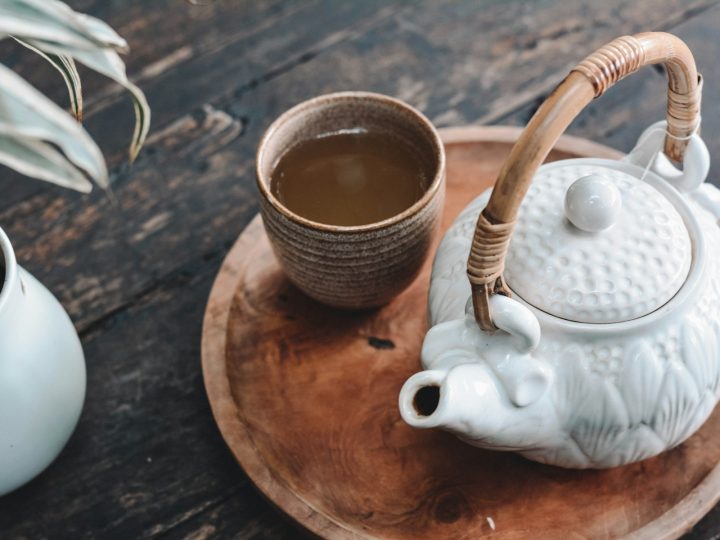
The traditional churn is called a mathani or ravaiyo, a slim wooden stick with a fluted head at one end. You hold it upright in the vessel, roll the shaft between your palms, and let the fluted head do the whisking. A pair of copper or steel tumblers is standard. Copper is the older choice, and there are households in Rajasthan that still insist on it, believing the metal keeps the drink cooler in summer. A modern hand blender will do the same work in five seconds, which is fine, but the sound of the mathani is part of the ritual and, for what it is worth, breaks fewer bubbles.
A working recipe, in order
- Whisk 3 tablespoons of fresh curd in a tall vessel until smooth, about 20 seconds.
- Add 200 millilitres of cold water, in two pours, whisking between them.
- Add a quarter teaspoon of roasted, coarsely ground cumin.
- Add a pinch (roughly one-eighth teaspoon) of black salt, and a smaller pinch of asafoetida.
- Churn or blend for 30 seconds, until pale and foamy on top.
- Pour into a chilled tumbler. Scatter a little more roasted cumin over the froth. Drink within five minutes, before the foam collapses.
When to drink it, and when to skip it
The traditional time is right after lunch, when the heavy part of the day is settling into the body. A Gujarati thali, with its dal, kadhi, sabzi, rice and roti, ends with a small glass of chaas and a longer sit. The custom of a slow afternoon after this kind of meal is not incidental. I wrote about the older habit in resting after meals, a village pause, and chaas belongs firmly to it.
There is one situation in which older women in my family will actively refuse to pour it, and that is the moment you walk in from strenuous work in the heat. A farmer coming in from the fields at three in the afternoon, sweating, dehydrated, red in the face, will be given plain water first, or perhaps a glass of cool fennel seed water, and only later, once the body has cooled, the chaas. The reasoning, which you will hear phrased slightly differently in every kitchen, is that the drink is too cold and too fermented to meet a body that is still open and heated. Whether the science bears this out or not, the custom is old and consistent from Kutch down to the Konkan.
“Chaas after ploughing? Beta, no. Water first, then sit. Chaas is for the meal, not for the sun.” (overheard at a farmhouse kitchen, Anand district, Gujarat)
Regional variations worth knowing
| Region | Style | Distinctive addition |
|---|---|---|
| Gujarat | Thin, mildly salted, foamy | Roasted cumin, asafoetida |
| Rajasthan | Slightly thicker, saltier | Black pepper, sometimes ajwain |
| Maharashtra (Konkan) | Thin, sharper | Green chilli, curry leaf tempering |
| Punjab | Salted lassi, thicker | Only cumin and salt, no hing |
Further south, in Karnataka and Tamil Nadu, the same drink appears as majjige or moru, tempered with mustard seeds, curry leaves and a torn green chilli in a spoon of hot oil poured over the top. The base is the same, the finish quite different.
For a longer written account of the drink, its history and its regional cousins, the Wikipedia entry on chaas is a serviceable starting point, and the Wikipedia article on Cuminum cyminum covers the cumin plant itself, including its Mediterranean origins and its long journey into Indian kitchens.