Kokum sharbat: the Konkan summer cooler
A slow, magenta-dark drink from the western ghats, made from sun-dried Garcinia indica rind, jaggery, roasted cumin, and a pinch of rock salt.
On the Konkan coast, somewhere between Ratnagiri and Malvan, the summer arrives quietly and then all at once. By late April the tar on the coastal road softens under the afternoon sun, the sea wind turns thick and salty, and every second household begins pulling out a jar of dark, sticky fruit from the back of the pantry. The fruit is kokum, and by May the kitchens smell of it.
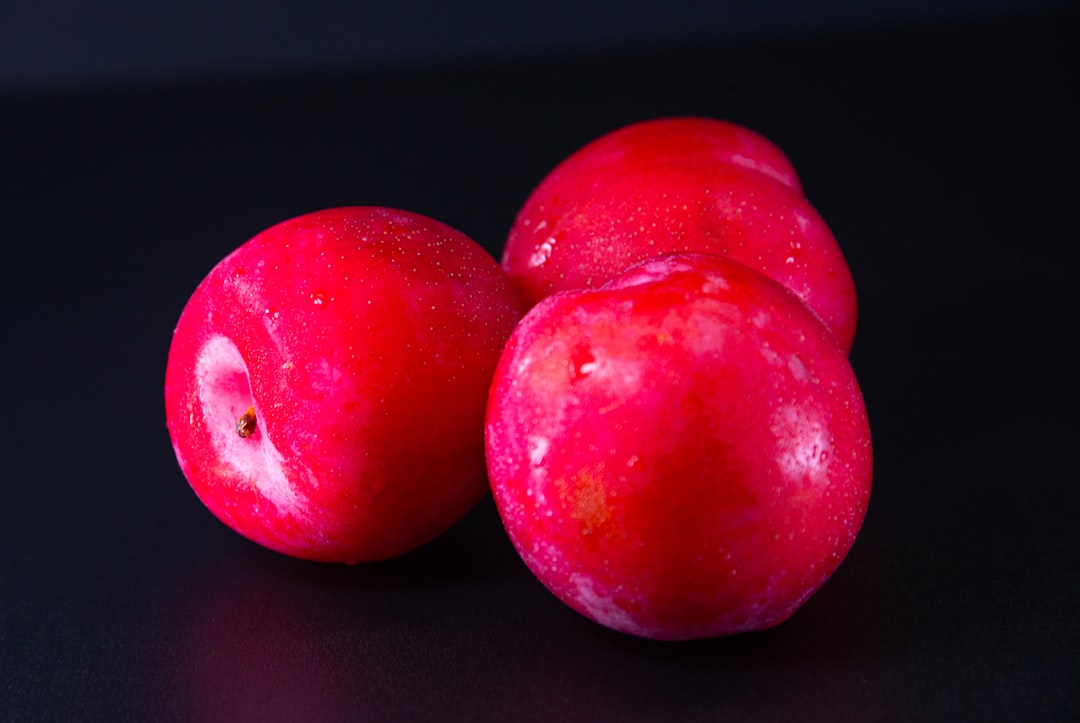
This is Garcinia indica, a slender evergreen tree that grows along the western ghats from south Maharashtra down through Goa and into coastal Karnataka. In April the tree carries small round fruit the colour of a bruised plum. The fruit is halved, the flesh scooped out, and the rinds are spread on woven bamboo mats to dry in the sun for eight or nine days, sometimes brushed with a little salt water to help them cure. What you see in the pantry, blackish-purple and leathery, is what remains after the sea air and the sun have done their work.
My aunt in Kudal keeps hers in an old Horlicks jar on the top shelf, above the tamarind and below the jaggery. She never buys sharbat concentrate from the shop. “The bottled ones taste of colouring,” she said once, waving a hand at the bright pink syrups lined up at the grocery near the bus stand. “Kokum is a fruit, not a Fanta.”
A summer drink with a long memory
Kokum has been in Konkan kitchens for a very long time. It appears in old Marathi and Konkani recipe traditions as an ingredient in solkadhi, a coconut-milk drink taken after fish curry, and as amsul, the dried rind used to sour dals and vegetable stews. The sharbat is the sweeter cousin, a hot-weather ritual rather than a daily staple. In Goa, in the Konkan taluks, and in coastal Karnataka around Karwar and Kumta, the same drink shows up under slightly different names. The Garcinia indica tree is native to this narrow strip of coast, and outside it the drink has never quite caught on the way limbu pani or nimbu soda has.
There is a reason people here reach for it before the cold sodas in the fridge. A tall steel tumbler of kokum sharbat, taken at two in the afternoon after a rice-and-fish lunch, feels different in the body than a cola. The tartness sits high and clean on the tongue, the jaggery gives it a rounded low note, and the roasted cumin ties the two together. It is the same quiet, unshowy pleasure I have written about in the case of a fennel seed water coastal habit, or the slower summer cooling quiet habits of households that have never really needed a refrigerator to feel cool.
The home preparation
The recipe is not fixed. Every household has its own ratio, and the jaggery is adjusted to the sourness of that year’s kokum, which itself depends on how the monsoon behaved the previous September. What follows is close to how it is made in a Konkani kitchen I know well in Vengurla, and it will serve six small tumblers.
- Take a small handful of dried kokum, roughly 15 to 18 pieces, and rinse them once under the tap. Drop them into a steel or clay pot with one litre of water. Let them soak for at least 30 minutes. The water will already begin to turn a soft rose colour.
- Bring the pot to a gentle boil, then lower the flame and let it simmer for 12 to 15 minutes. The rinds will soften and release their pigment. The kitchen will smell faintly of stewed plum and something older, closer to tamarind.
- Add 150 to 180 grams of jaggery, broken into small chunks. Stir until it dissolves. Taste. If the year’s kokum is very sharp, add another 20 grams. Do not chase supermarket sweetness.
- Turn off the flame. Add half a teaspoon of roasted cumin, ground coarse, and a small quarter-teaspoon of rock salt. Some households also add a pinch of ground black pepper or a bruised cardamom pod. Cover and let it stand for 10 minutes.
- Strain through a clean muslin cloth or a fine steel sieve, pressing the rinds gently to release the last of the colour. You should have a deep magenta liquid, almost the colour of a beetroot broth held up to sunlight.
- Chill for at least two hours. Serve in steel tumblers over one or two ice cubes, never more.
The concentrate keeps in a glass bottle in the fridge for about a week, sometimes ten days if the jaggery was well cooked. To serve on a working afternoon, some households dilute two parts concentrate with three parts cold water, which stretches a single batch through most of a week.
Three kinds of kokum on the pantry shelf
Konkan pantries usually hold more than one form of the fruit, and it helps to know which one is which before buying.
| Form | Look | Best for |
|---|---|---|
| Amsul (plain dried rind) | Blackish-purple, leathery, dry to the touch | Sharbat, dals, solkadhi |
| Salted kokum | Sticky, coated in salt crystals | Fish curries, not for sharbat |
| Kokum agal (concentrate) | Thick dark liquid in a bottle | Quick sharbat when guests arrive, savoury broths |
For sharbat, the plain amsul is the one you want. The salted kind will throw the balance off completely, and no amount of jaggery will pull it back. If a shop sells you a bag that looks powdery grey on the surface, that is usually the salt bloom, and it can be gently rinsed away, but the rind underneath will still carry too much salt for a sweet drink.
When it goes wrong
The two common failures are both easy to spot. If the sharbat tastes flat and grey, the kokum was probably too old, more than two seasons in the jar, and the pigments and acids have faded. There is nothing to be done except buy a fresh lot from the Ratnagiri or Sindhudurg market when you next pass through. If, on the other hand, the drink tastes harshly astringent and pulls at the back of the tongue, the rinds were simmered for too long, past 20 minutes, and have started to release tannins from the seed shell. Next time, pull the pot off the flame at 12 minutes and let the residual heat finish the work.
A third, quieter failure is the drink that separates in the glass, leaving a pink layer on top and a darker sediment below. This is a sign the muslin was too coarse. Strain twice through a folded cloth and it will hold together for hours.
“We drink kokum after lunch because it settles the stomach. My grandmother used to say the fish curry needs a friend to walk it home.” (overheard at a Konkani household in Vengurla, Sindhudurg district)
Why the coast keeps making it
There are cheaper, faster options in every grocery, and yet in April and May the small kokum shops in Malvan run out of stock by ten in the morning. Part of it is habit, the deep familiarity of a taste that a child has been drinking since she was old enough to hold a steel tumbler. Part of it is the way the drink behaves in that specific climate, humid, salt-heavy, sun-hot from ten in the morning until nearly six in the evening. And part of it is what I have come to think of as the coast’s aesthetic preference for slow, quietly-made drinks, of a piece with the hibiscus cooler summer drink traditions of other hot coasts.
A cold soda is a cold soda anywhere in the world. A kokum sharbat is Ratnagiri in April, or Kudal after a long lunch, or a steel tumbler pressed into your hand by an aunt who has been making the same drink, the same way, for forty years.