Chamomile evening tisane: a quiet European tradition
A short, calm look at the chamomile cup that closes the day in many European households, and the small habits that keep it familiar.
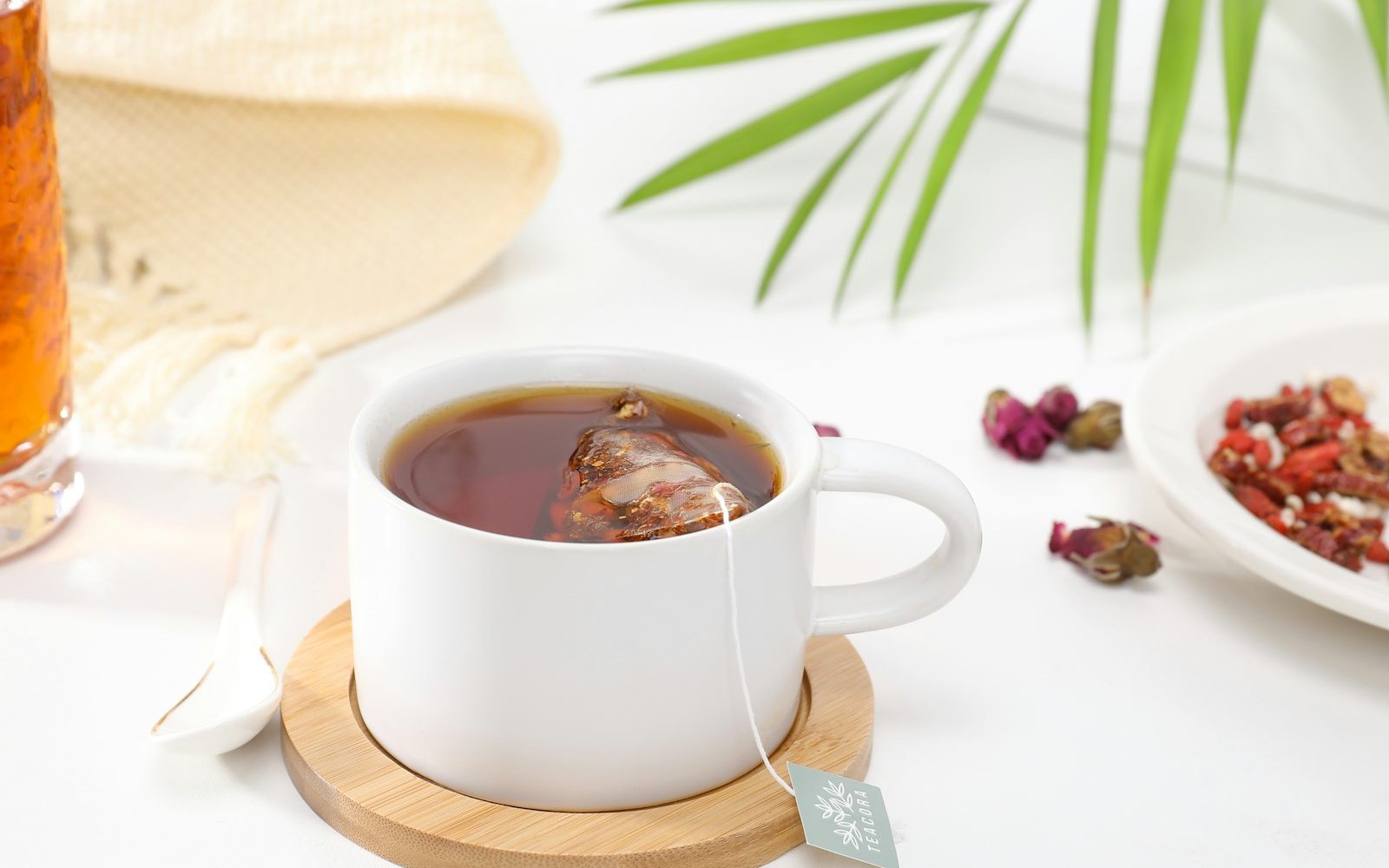
At my grandmother’s kitchen in Friuli, the camomilla jar sat on the third shelf, between the salt and the dried bay. When the evening turned blue and the radio went quiet, she would take down a small pinch of pale yellow flowers and drop them into a chipped white pot. The kettle worked slowly on the wood stove. By the time the water reached a low boil, the room already smelled faintly of hay and apples.
Chamomile is not glamorous. It is a roadside plant, a meadow flower, something that grows where the goat path bends. That is part of why it has lasted so long in European homes. It belongs to the kitchen drawer, not the apothecary shelf.
The flower behind the cup
The chamomile most often used in evening tisanes is Matricaria chamomilla, sometimes called German chamomile, though it grows from Portugal to the steppe. There is also a Roman variety, lower to the ground and slightly more bitter. Both have been steeped in hot water for centuries across the Mediterranean and central Europe, often gathered by hand from family fields in late spring.
The flowers are tiny. A heaping spoon holds perhaps thirty heads. When the water touches them, they open in the cup, releasing a soft scent that some describe as straw, others as ripe pear. Neither is wrong. It is one of those plants that smells different depending on the year it was harvested and the place it was dried.
An evening, not a remedy
In Italian, the phrase una camomilla prima di dormire (a chamomile before sleep) is so common that no one notices it. It is the kind of sentence a mother says to a tired child, or a neighbor offers a guest who stayed too long for dinner. The cup is rarely about treating anything. It is about marking that the day is over.
This is worth saying clearly. Chamomile in European households is a piece of comfort and relaxation, not a medical instrument. The cup arrives with a small biscuit, or alone, and it accompanies the closing of shutters, the dimming of lamps, the slow conversation that comes when no one is in a hurry.
What stays with you about a tradition like this is not the rules. It is the rhythm. The way the kettle hisses at the same hour each morning, the way a particular cup sits in your hand. That is the part worth carrying forward.
If anything from this piece becomes part of your own day, let it arrive quietly. Old habits like these do not announce themselves. They settle in gradually, often by being repeated on a day when you did not particularly feel like repeating them.
You can read more along the same lines inside our archive for this section, where we keep gathering small, cultural pieces like this one as they get written.
“At my grandmother’s house, chamomile was the second-to-last thing of the day. The last thing was silence.” (recorded from a Slovenian neighbor in Trieste, 2019)
How the cup is made
The method is unhurried. A teaspoon of dried flowers per cup is the household measure, though some prefer more. The water should be hot but not raging, just past the first roll of the boil. The flowers are dropped in and the lid is placed on top. Many older cooks insist on this last step, because the volatile oils that give chamomile its scent will leave with the steam if the pot is uncovered.
Five to seven minutes is the standard rest. Longer than ten and the brew turns slightly bitter and a deeper gold. Honey is sometimes added, especially in northern Europe. In the south, more often, the cup is taken plain or with a thin slice of lemon peel left to float for a moment.
A small variation from the Alps
In some Alpine households, a sprig of dried lemon balm or a single clove is added to the chamomile pot. The clove is removed quickly, after a minute, so its sharpness does not crowd the gentler flower. The result is still chamomile, only with a faint hint of something warmer underneath.
The cup in winter and the cup in summer
Chamomile changes character with the seasons. In winter it feels like a kitchen light: a small warm yellow in a long blue evening. In summer, in southern Italy and Greece, it is sometimes brewed and then left to cool, drunk at room temperature after a heavy lunch. There is no rule. The plant is patient with both.
Many readers who follow our notes on seasonal living have written about returning to chamomile in autumn, when the evenings shorten and the body asks for something quieter than coffee. It pairs naturally with that turn of the year, the way wool blankets do.
A note on gentleness
This is a cultural piece of writing, not a medical one. Chamomile is generally considered a very mild herb in European kitchens, but a few people are sensitive to plants in the daisy family, and pregnancy or certain medications can change how any herb is best approached. A quiet word with someone qualified is always reasonable before making a new evening habit.
That said, in many homes across the continent, the chamomile cup is treated as no more remarkable than a glass of water before bed. It is offered, accepted, and finished. The cup is rinsed. The lights go out.
What is the difference between chamomile tea and chamomile tisane?
How long should chamomile flowers steep?
Can chamomile be drunk at other times of day?
The kettle cools. The jar goes back to the third shelf. The day, in this small way, is finished.