The Nordic sauna: heat, cold, repeat
A few nights in Finland change the way you think about heat. The sauna is older, simpler, and more domestic than most outsiders imagine.
The first sauna I ever sat in was on a lake in eastern Finland, built of dark wood that had silvered at the corners. The wood-burning stove ticked as the logs caught. My host poured a ladle of water on the stones, and the whole room briefly held its breath before the steam rose. Outside the small window, the late evening sky was still pale. Birch trees, an inlet, a small wooden jetty leading to dark water.
I had thought of sauna, before that night, as something Finns did for fun. By the end of the week I understood it differently. The sauna is not a leisure activity in Finland. It is a household room, the way a kitchen is a household room. It just happens to be very hot.
What the sauna actually is
A traditional Finnish sauna is a small wood-lined room with a stove (the kiuas) topped by stones. You heat the room slowly, often with wood, and once it is hot you pour water (löyly) onto the stones to release a wave of steam. You sit on a high wooden bench. You sweat. After fifteen or twenty minutes, you go outside, into a lake, a cold shower, or the snow. Then you come back in.
The cycle is usually repeated two or three times. Between rounds, you sit on a porch in a towel, drink water, talk quietly with whoever is there, look at the trees. The whole event can take two or three hours. The sauna is not optional in most Finnish homes; even small apartments often have one. There are more saunas in Finland than cars.
The role of cold
The heat alone is only half of it. The cold is what gives the sauna its rhythm. Without the lake or the shower, the body never resets, and the heat becomes oppressive. With the cold, every return to the hot room feels like the first time.
I jumped into the lake on my second night and surfaced gasping. Within thirty seconds the cold became bearable. Within a minute it felt almost ordinary. Back in the sauna, the heat had a different quality entirely. Whatever the body does in this contrast, I cannot describe physiologically, but the experience is unmistakable. There is a kind of clear-mindedness afterwards that I have not found in any other practice. The contrast bath echoes ideas explored in the hammam piece, though the temperatures are more extreme.
“In Finland we say the sauna is the poor man’s pharmacy. We do not mean it cures things. We mean it solves things that have not yet become problems.”
A social room
The Finnish sauna is, perhaps surprisingly, a social space. Families share it in the evening. Friends take saunas together. Business meetings, in some industries, finish in one. The conventions vary. Mixed-gender saunas with family or close friends are common in private homes; public saunas are usually single-sex, and clothing varies by setting.
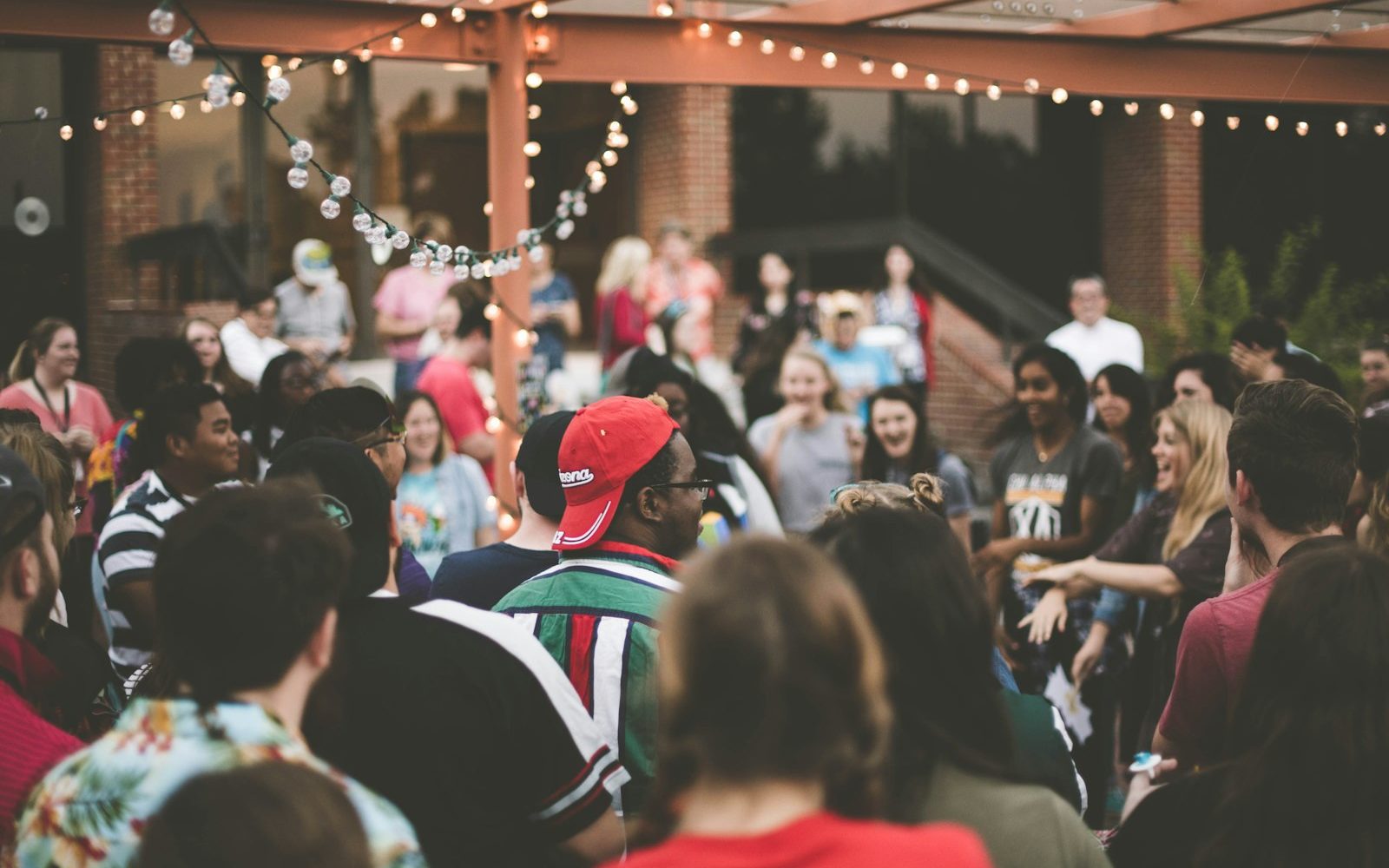
The conversations inside the sauna are different from conversations outside it. People speak less. Pauses are longer. The heat does not encourage chatter; it encourages a slower kind of talk, the way late evening at a kitchen table does. Children grow up sitting on the lowest bench, where the heat is gentler, listening to adults. It is a place where a household exists in a particular shape.
How the sauna fits a week
Most Finns I met went to the sauna once or twice a week, often on Saturday evenings. Sunday morning was for resting. The cycle of the week passed through the sauna at its end. This rhythm has a kind of practical wisdom; the body and the household get a clear closing event, after which the week is genuinely finished.
For people in countries without saunas, the analogy is closer to a public bath day, a Friday hammam afternoon, or a Sunday slow bath at home. The piece on slow hot baths across cultures and the section on seasonal living both touch on this idea of weekly markers. The sauna is the Nordic version: more extreme, more communal, more bound to the land it sits on.
Visiting a sauna for the first time
If you find yourself invited into a Finnish sauna, a few small things help. Wash before entering. Sit on a towel; the wood is hot and benches are shared. Pour water on the stones only after asking the others, since the steam affects everyone. Drink water between rounds. Leave the sauna when you start to feel uncomfortable, not when others do.
Sauna outside Finland
You do not need to fly to Finland to experience a sauna. Most cities now have public saunas or wellness centres with sauna rooms, often electric rather than wood-fired. They are not identical, but the principle is the same. If you find one, treat it as a small Saturday ritual rather than a one-off treat. The body and the mind respond more to the second visit than the first, and more to the tenth than the second.
Home saunas, particularly small electric ones, are becoming more common in countries with cold winters. They are not cheap, but for households that already lean into comfort and relaxation rituals, they are worth considering. A wood-fired sauna in a garden, where the climate allows, is the closest most non-Finns will come to the original.
A note on safety
Saunas are generally safe for healthy adults, but they are not for everyone. People with heart conditions, very low or very high blood pressure, or who are pregnant should ask someone qualified before using one. Alcohol and saunas do not mix; the combination is responsible for most sauna-related accidents in Finland. Stay no longer than you are comfortable, and do not try to outlast anyone.
The slow week, closing
By the end of my week in Finland, I had stopped counting the rounds. The sauna became simply a place where Saturday evening happened. The heat, the cold, the porch, the dark lake. The conversation was quieter than I expected, and the silence less awkward.
Some traditions are portable. The sauna is not, really. But the rhythm of heat, cold, and pause can be carried home in smaller forms, and the week will hold them gladly.